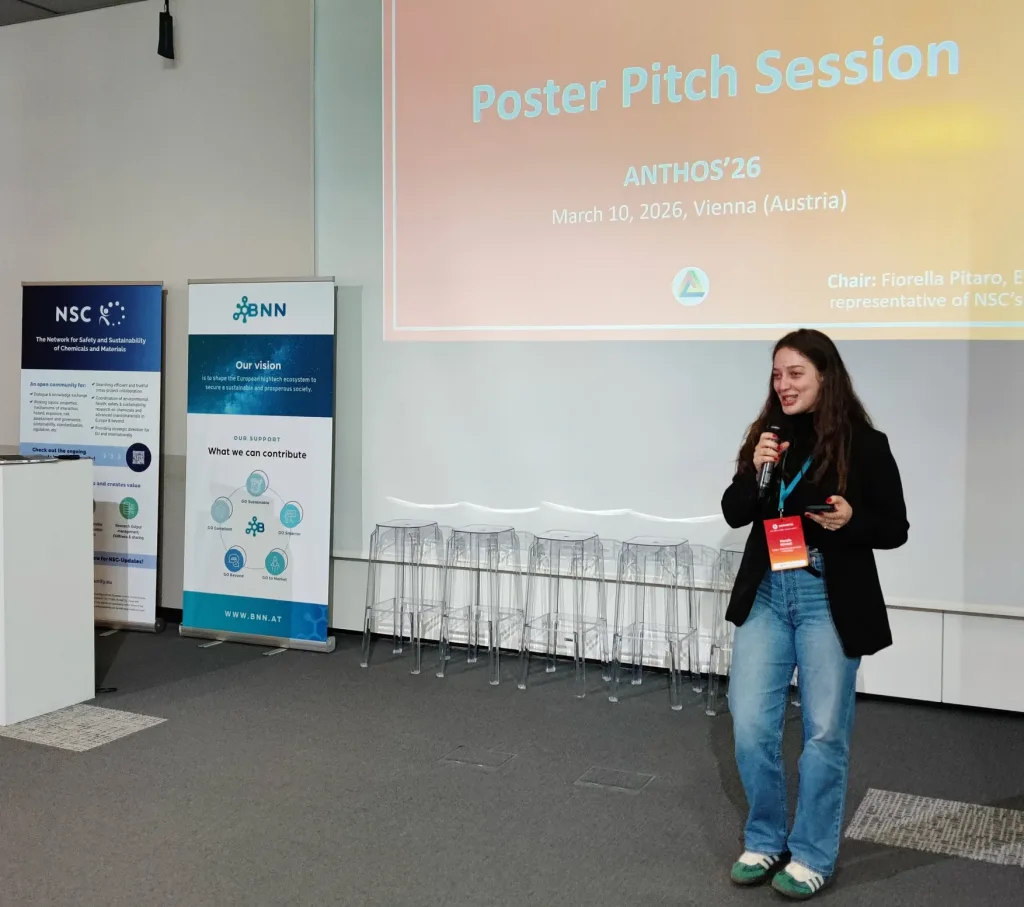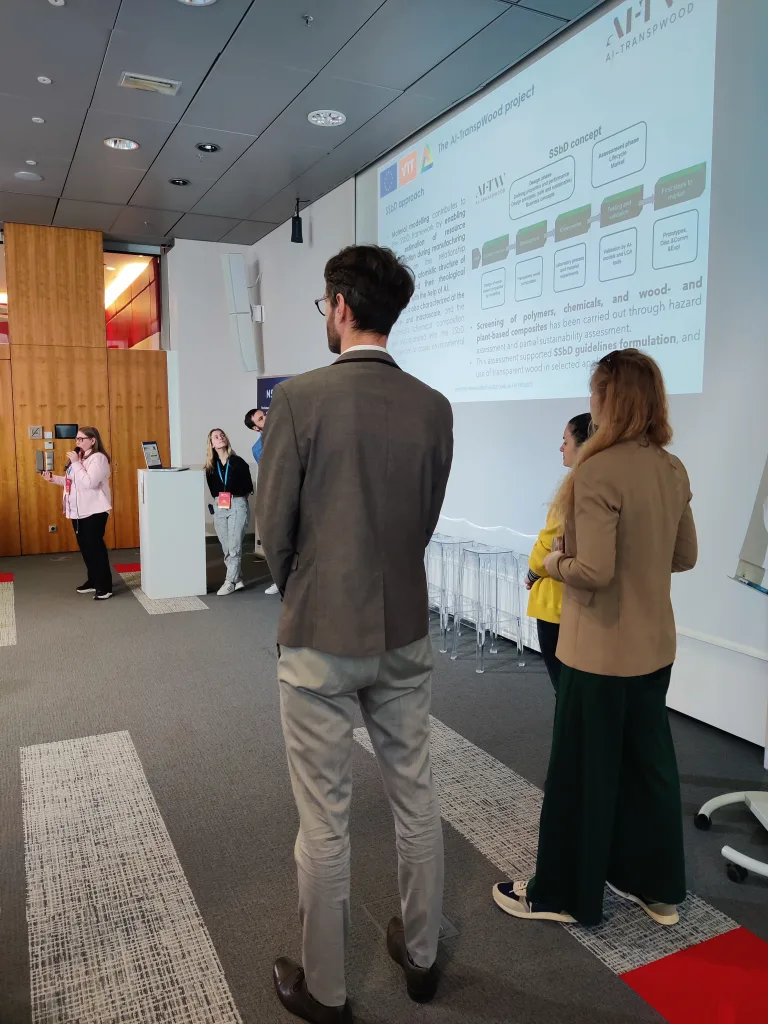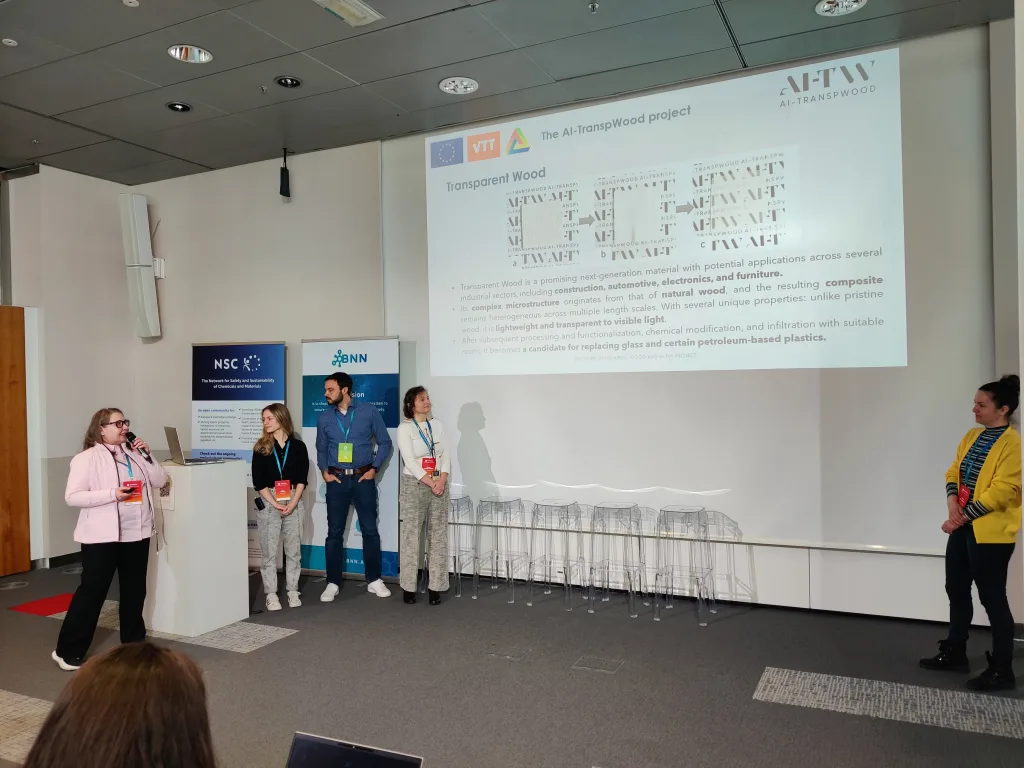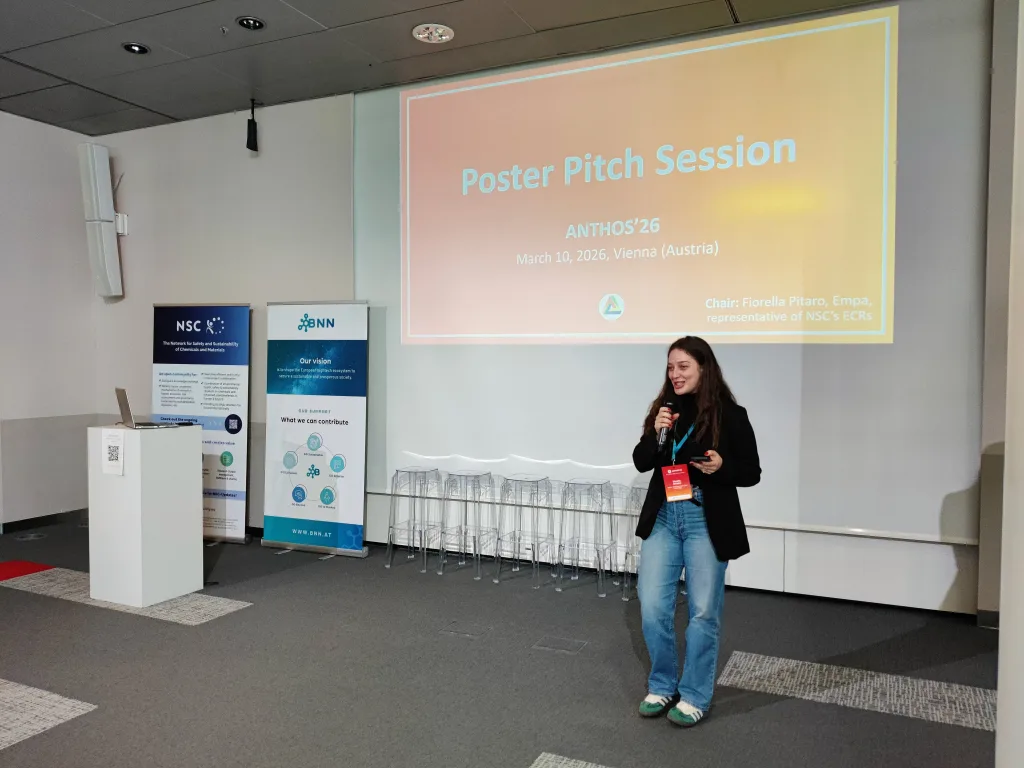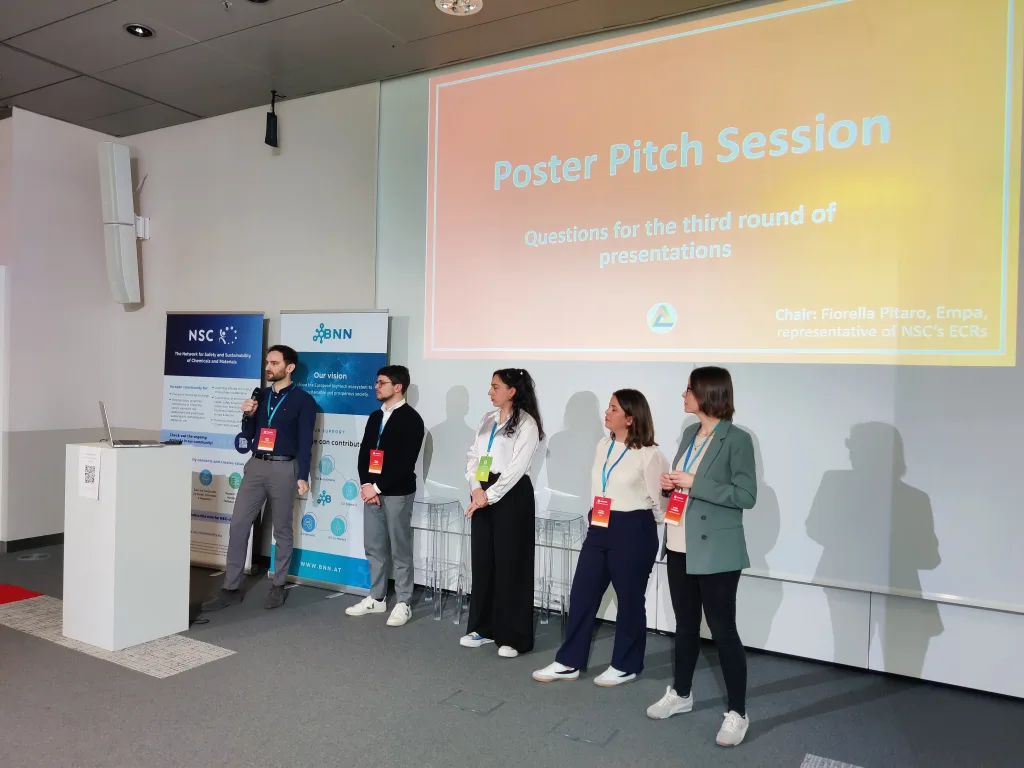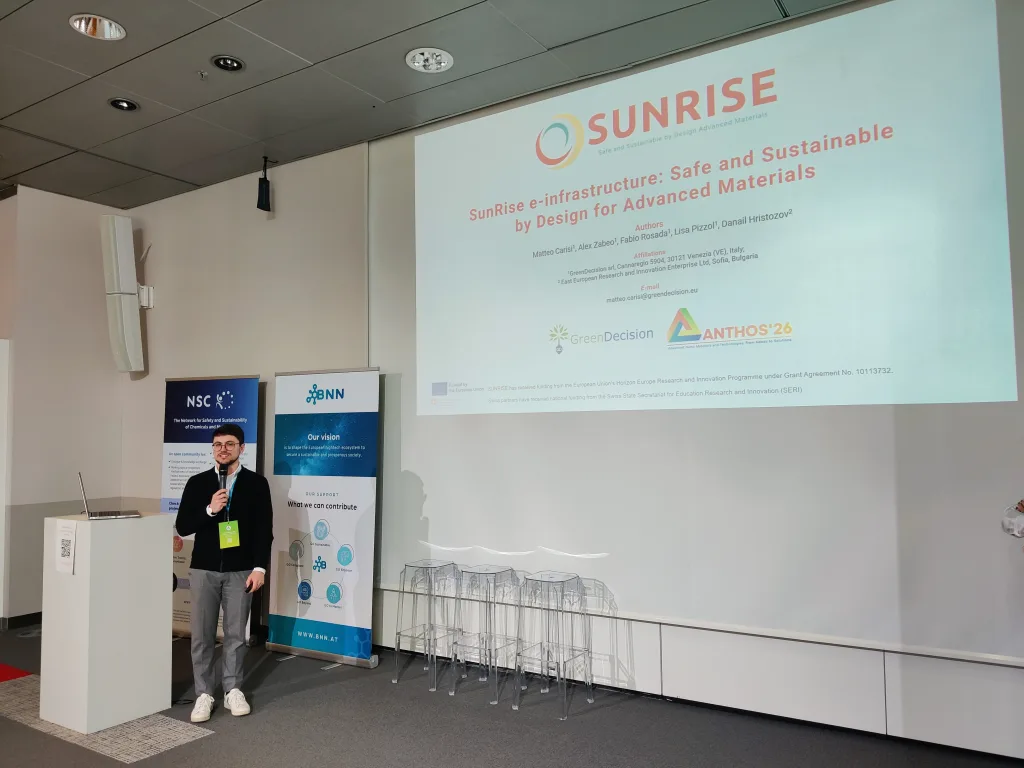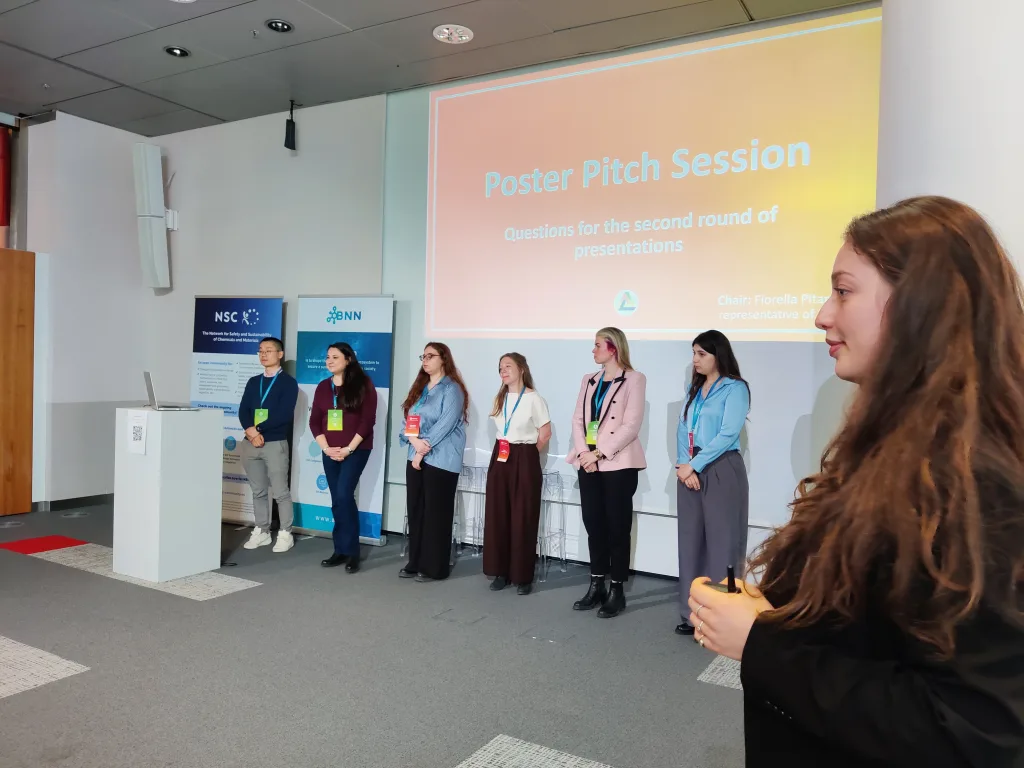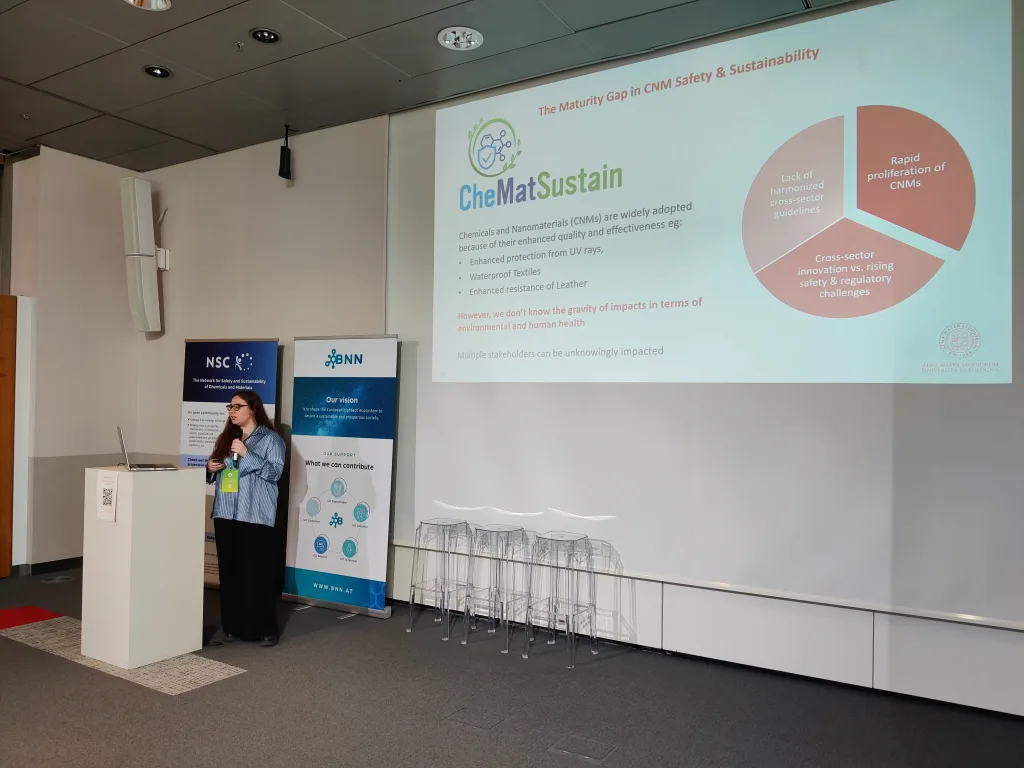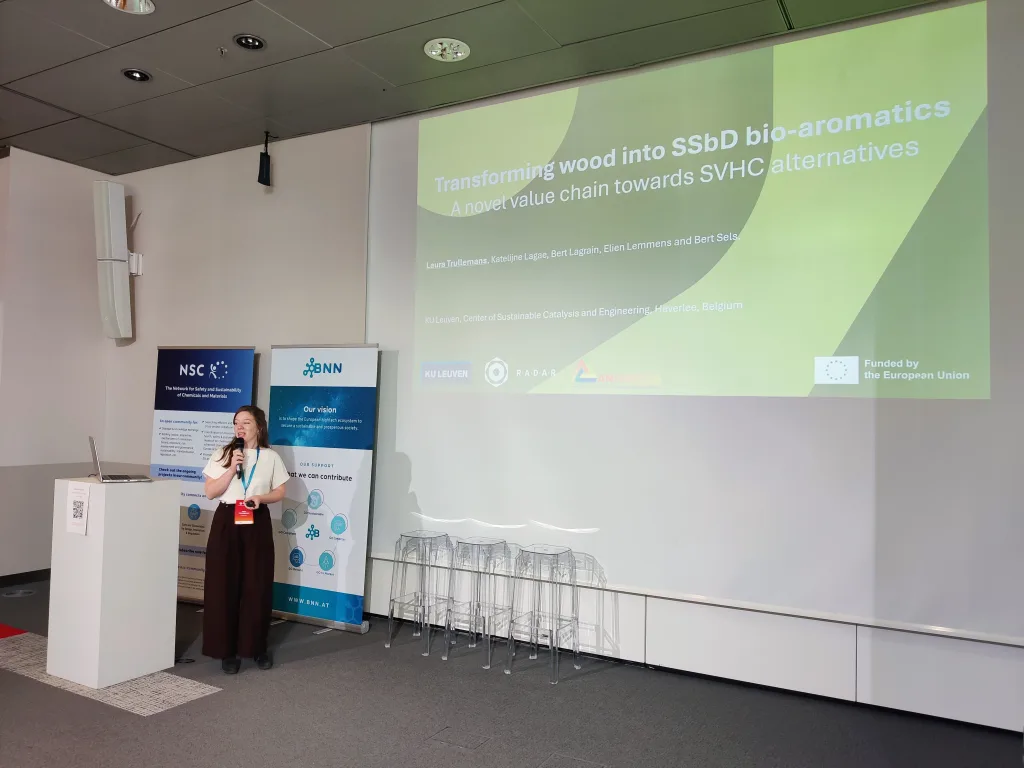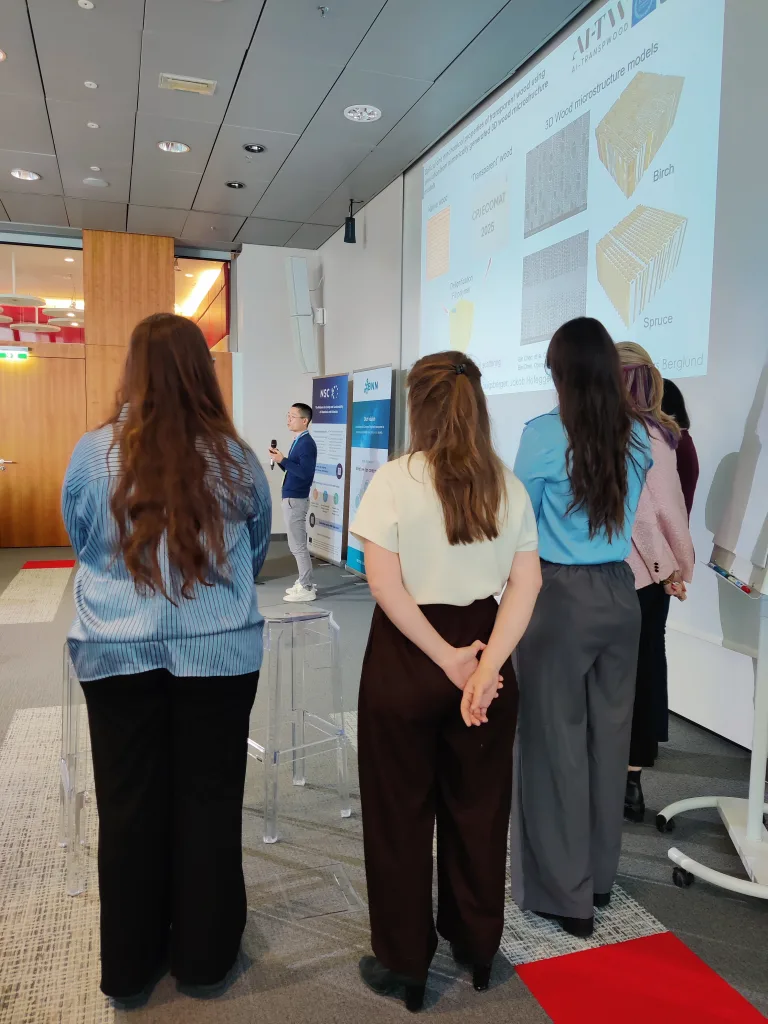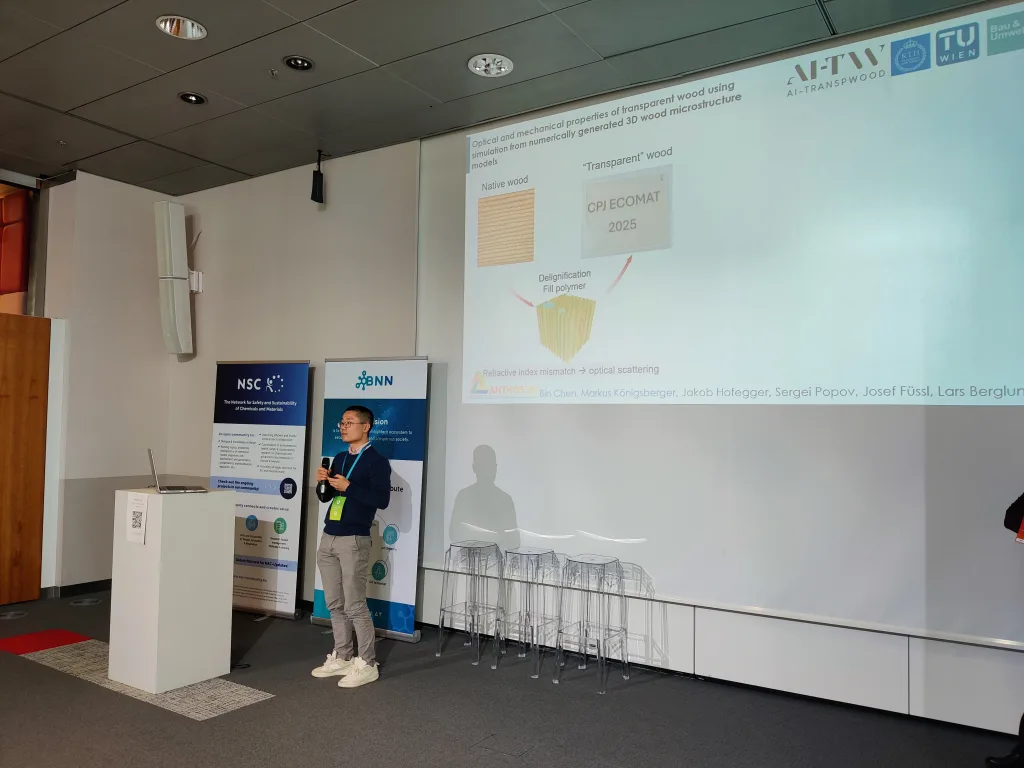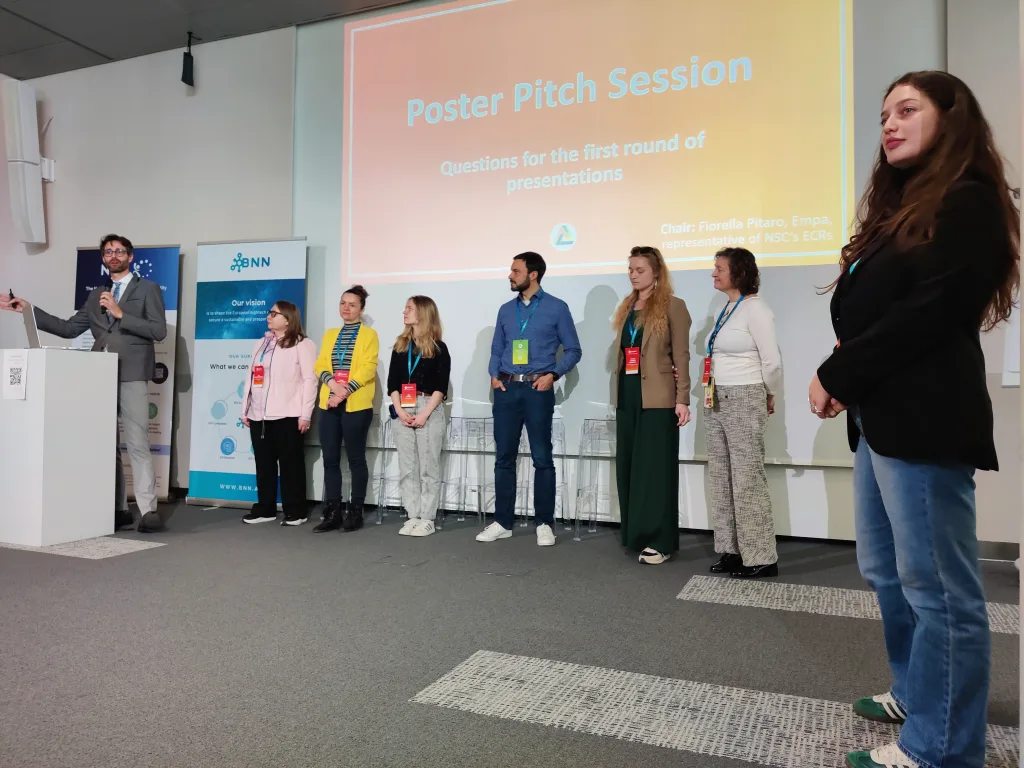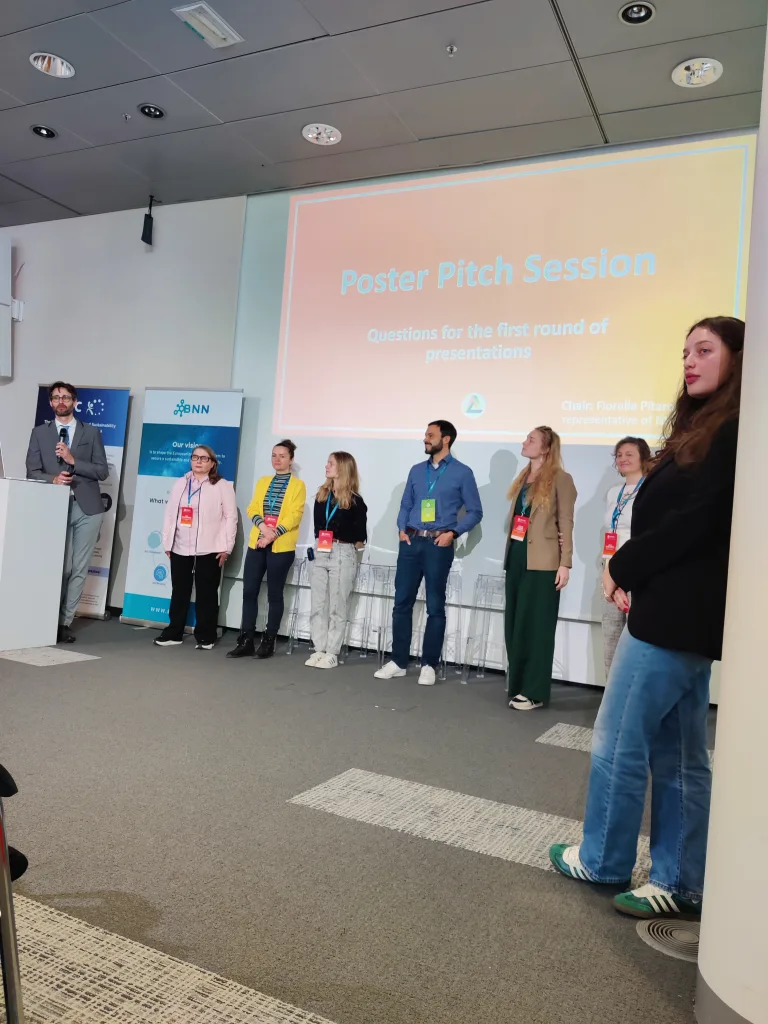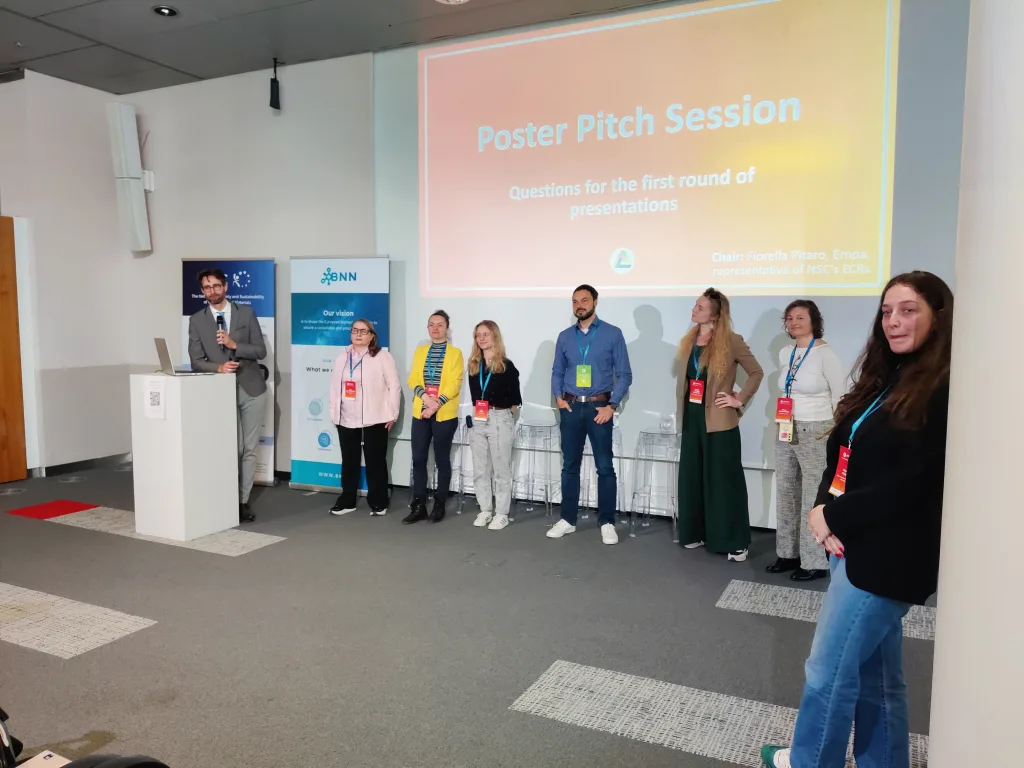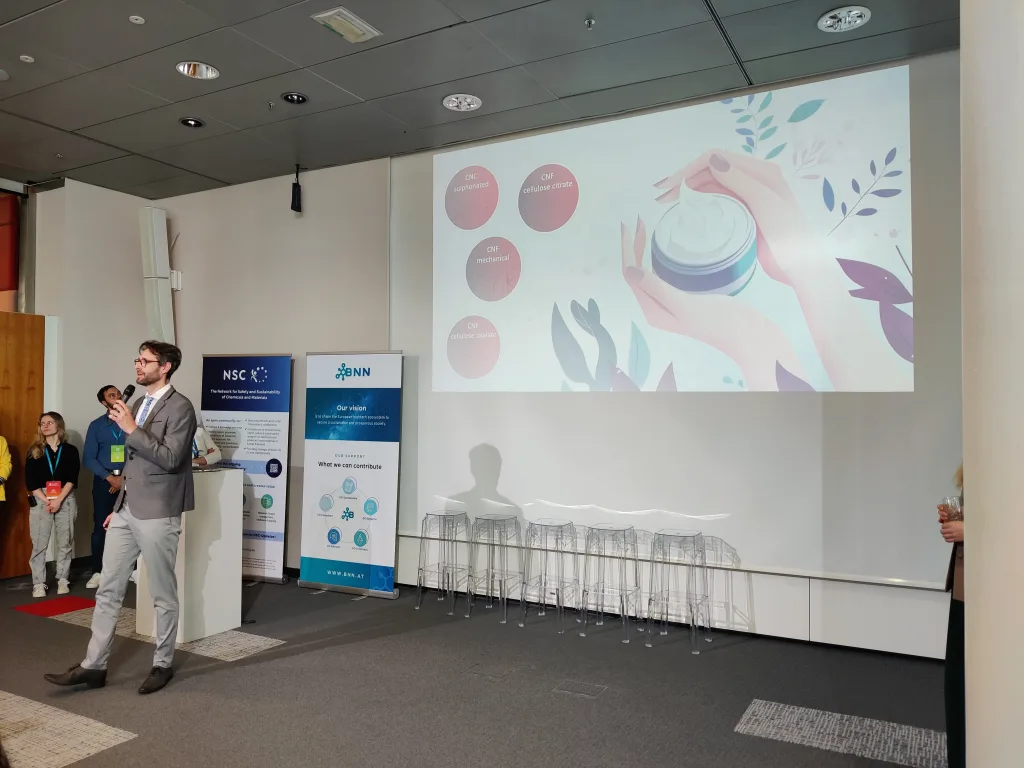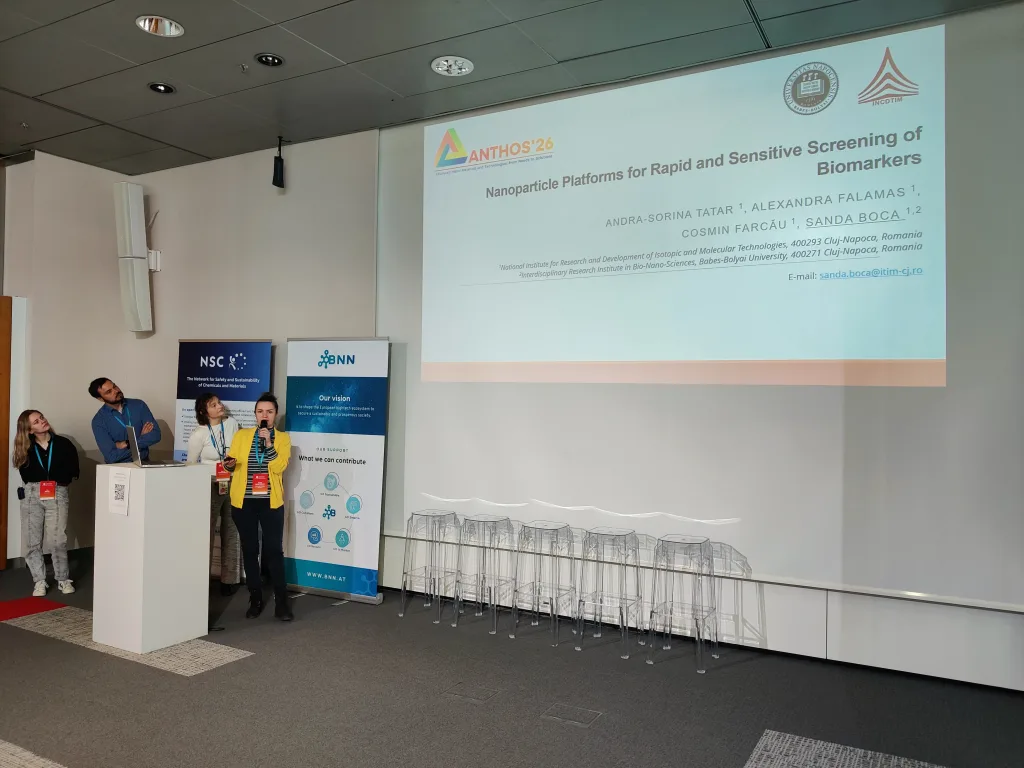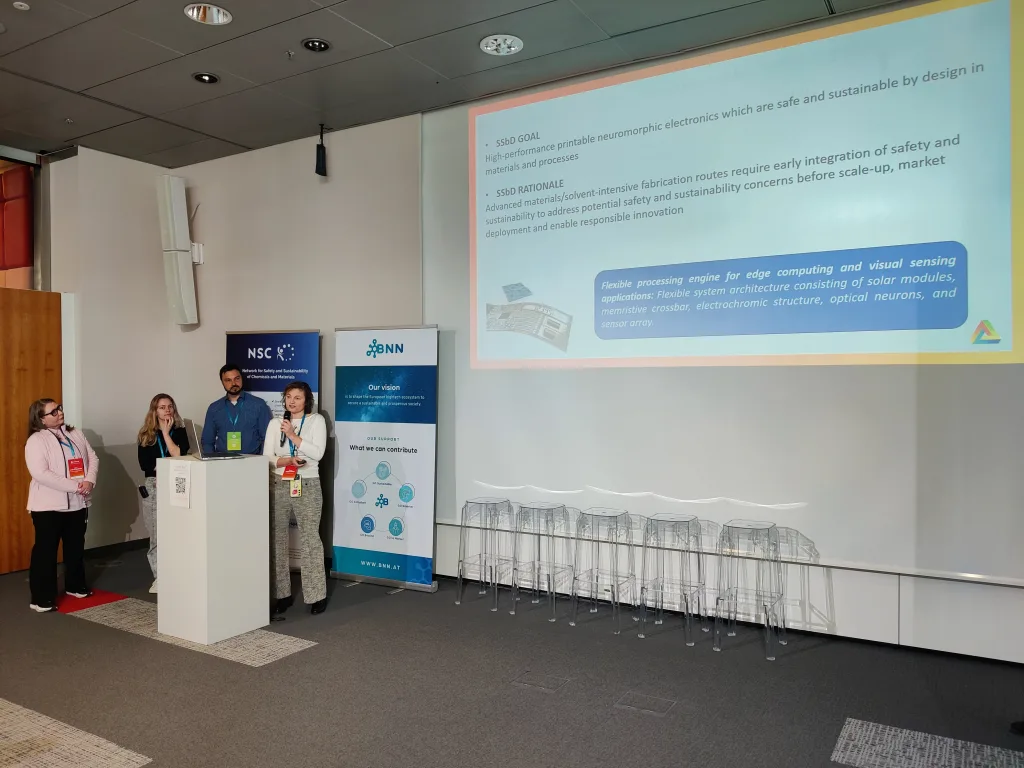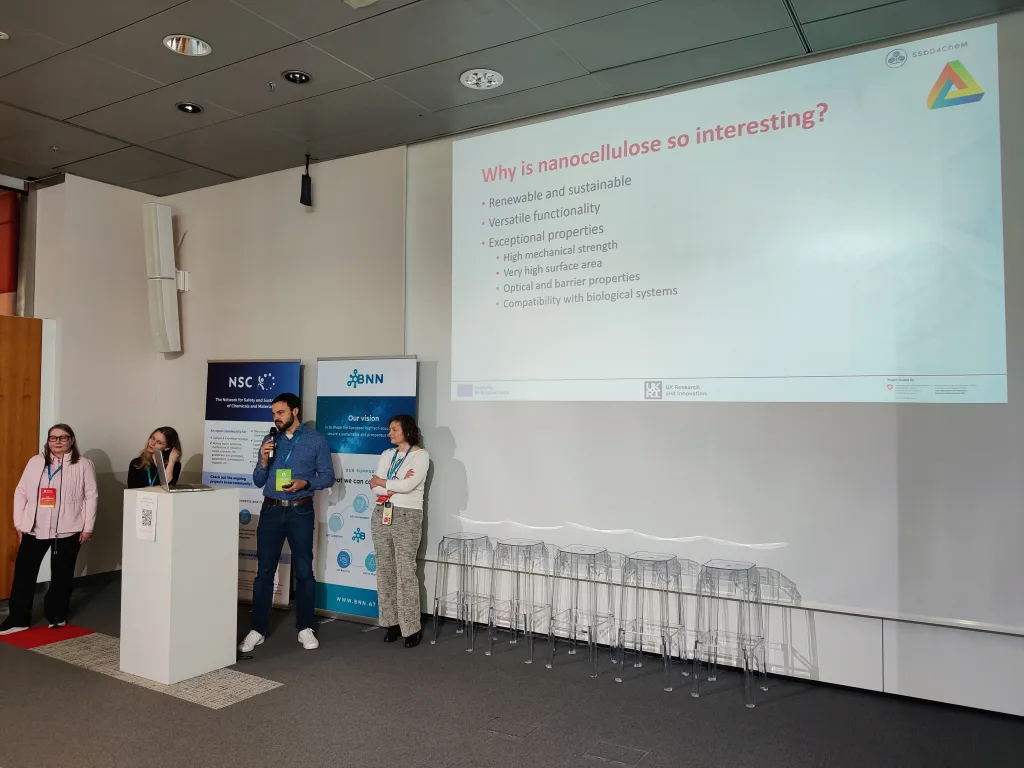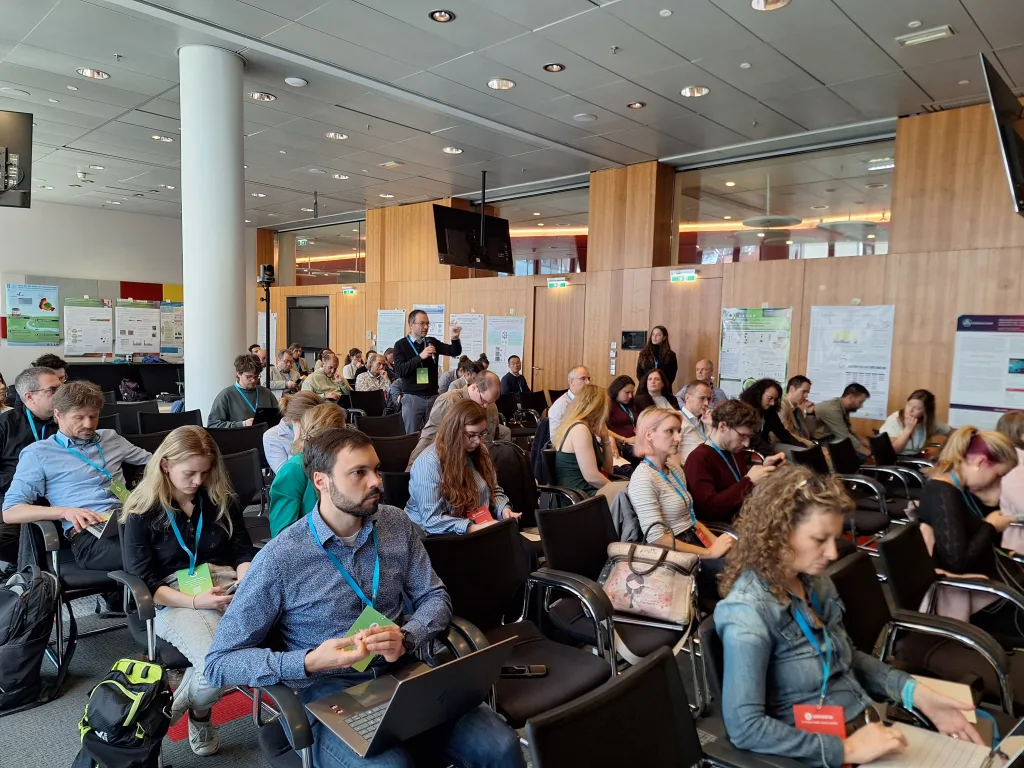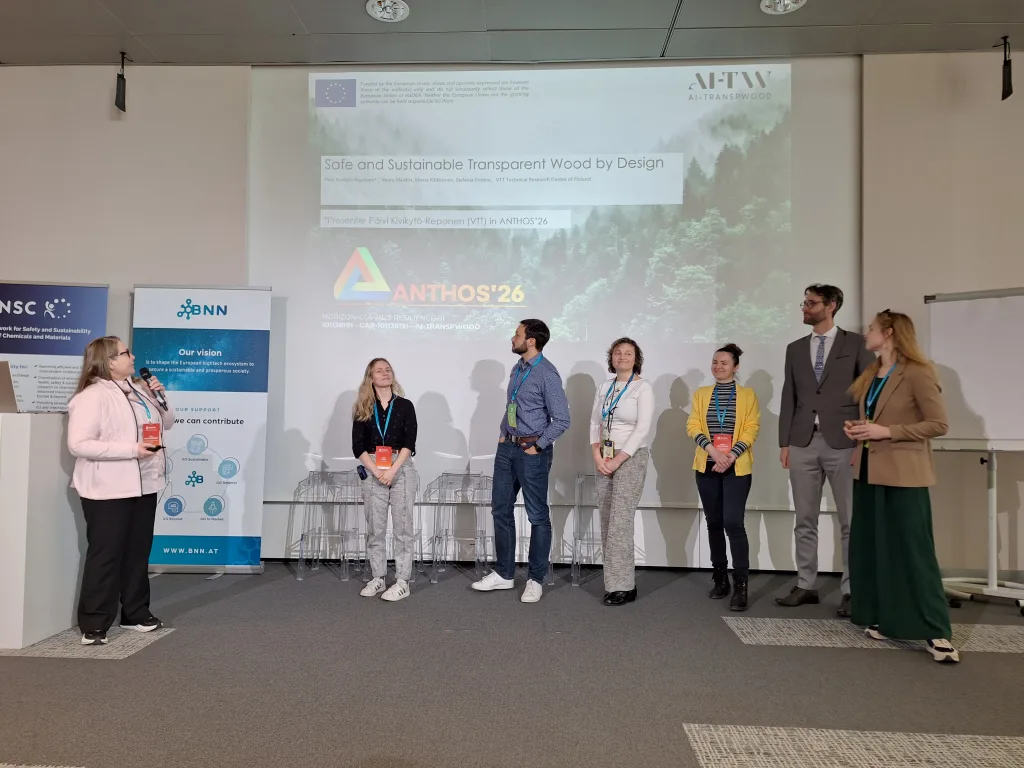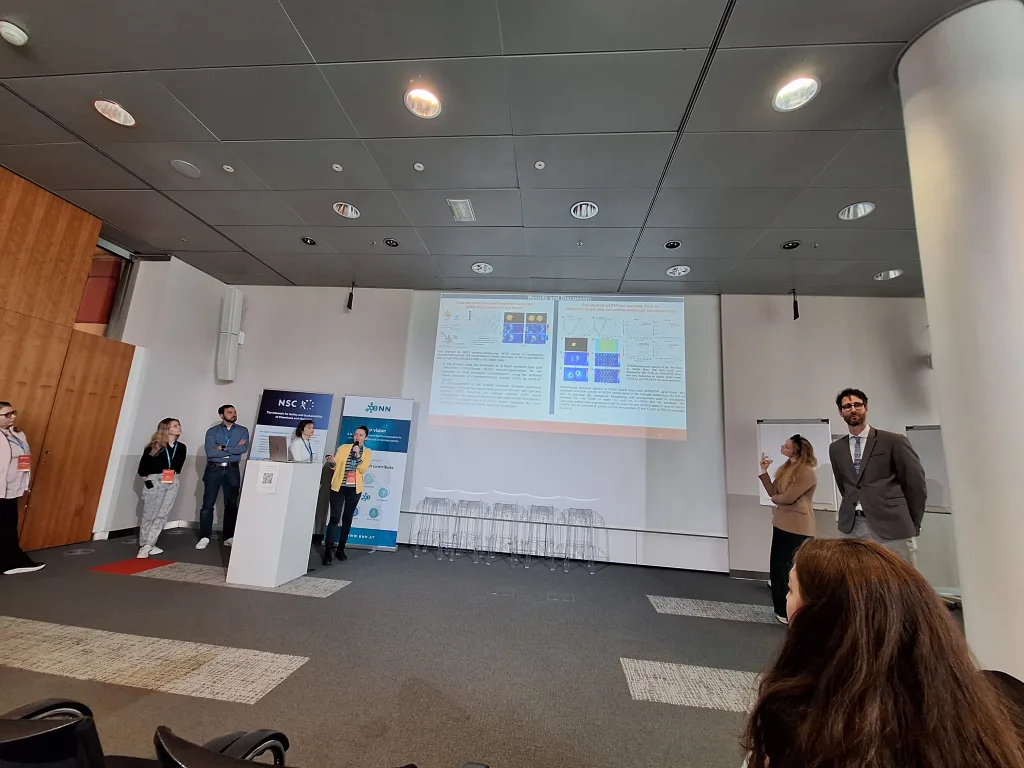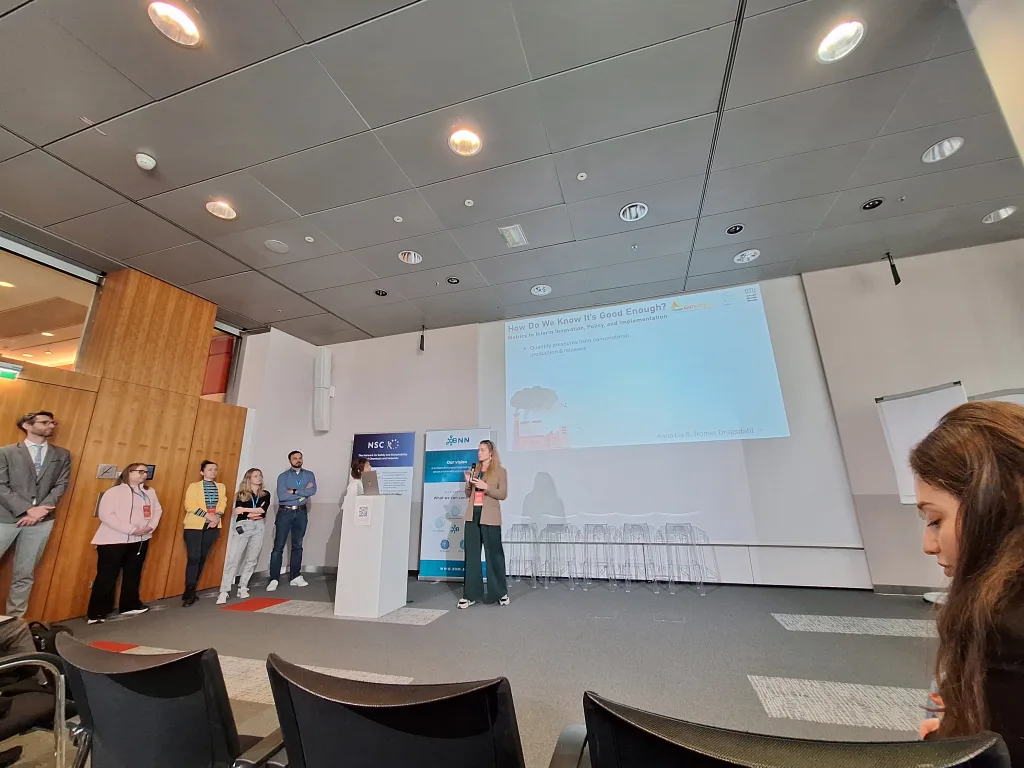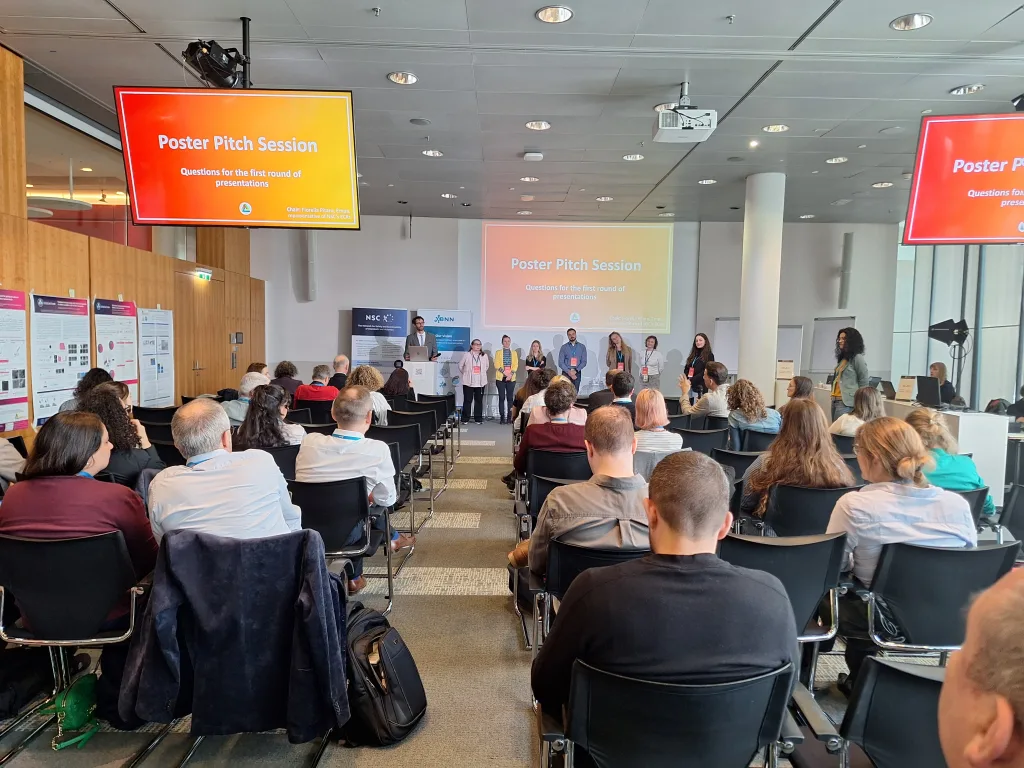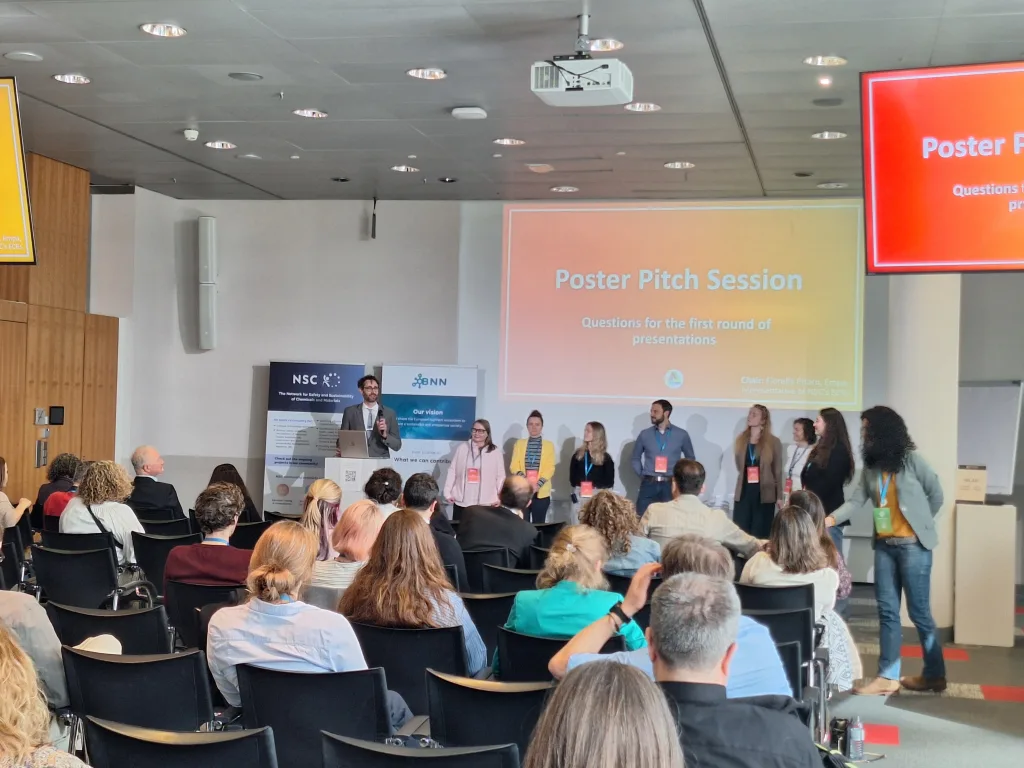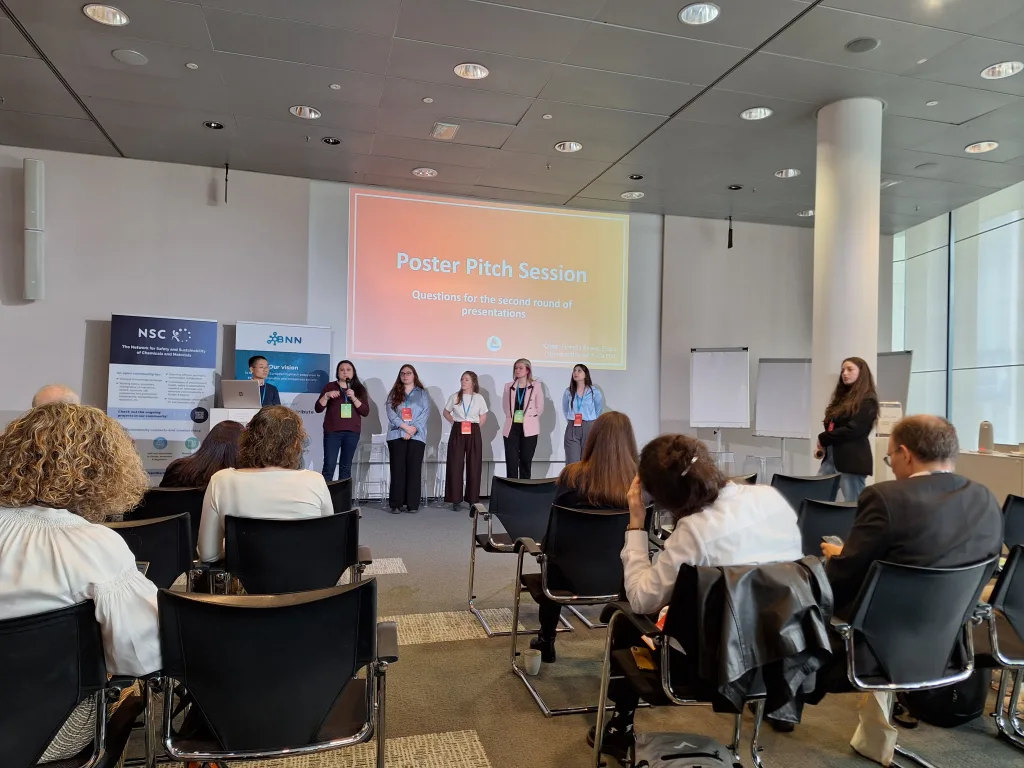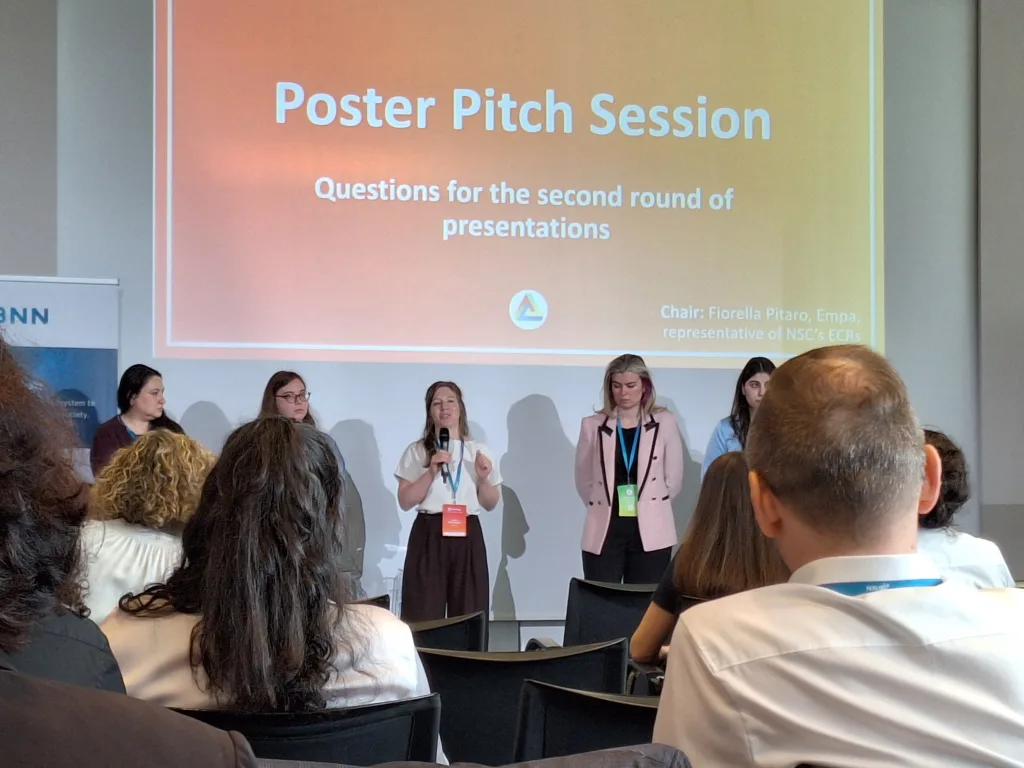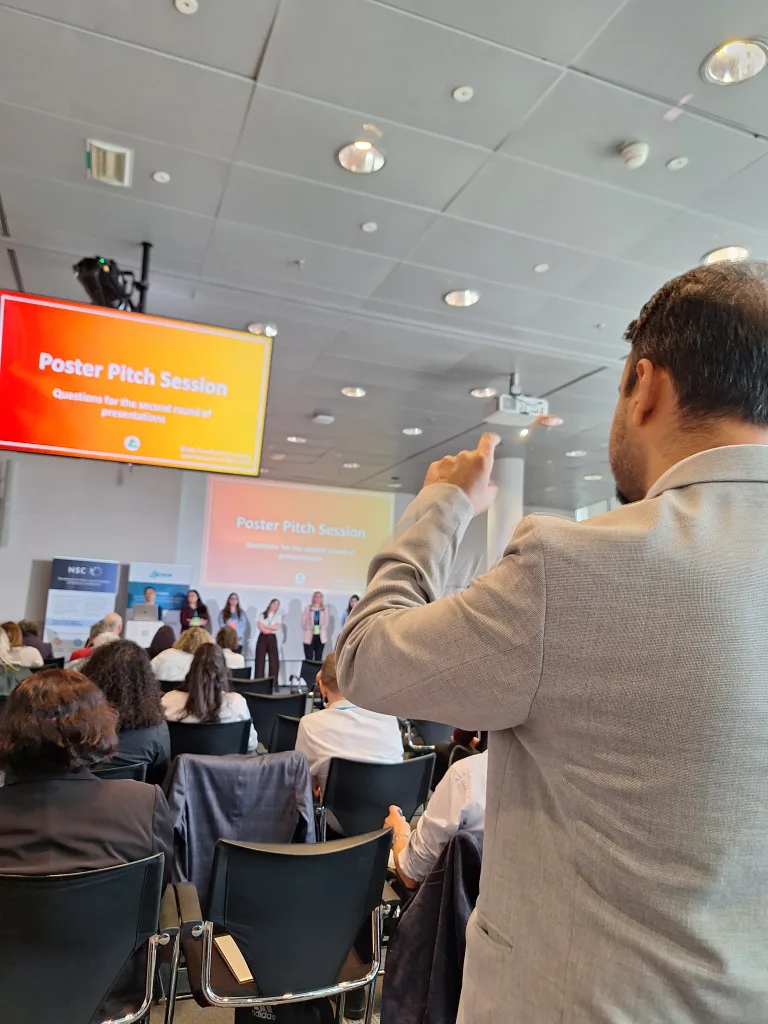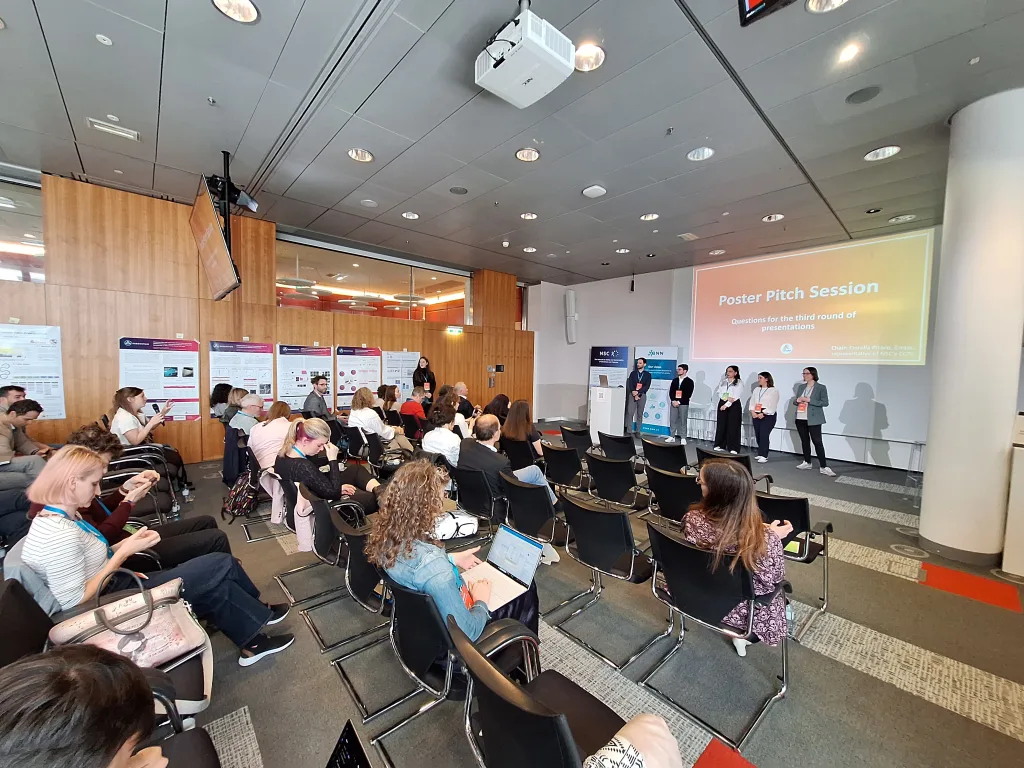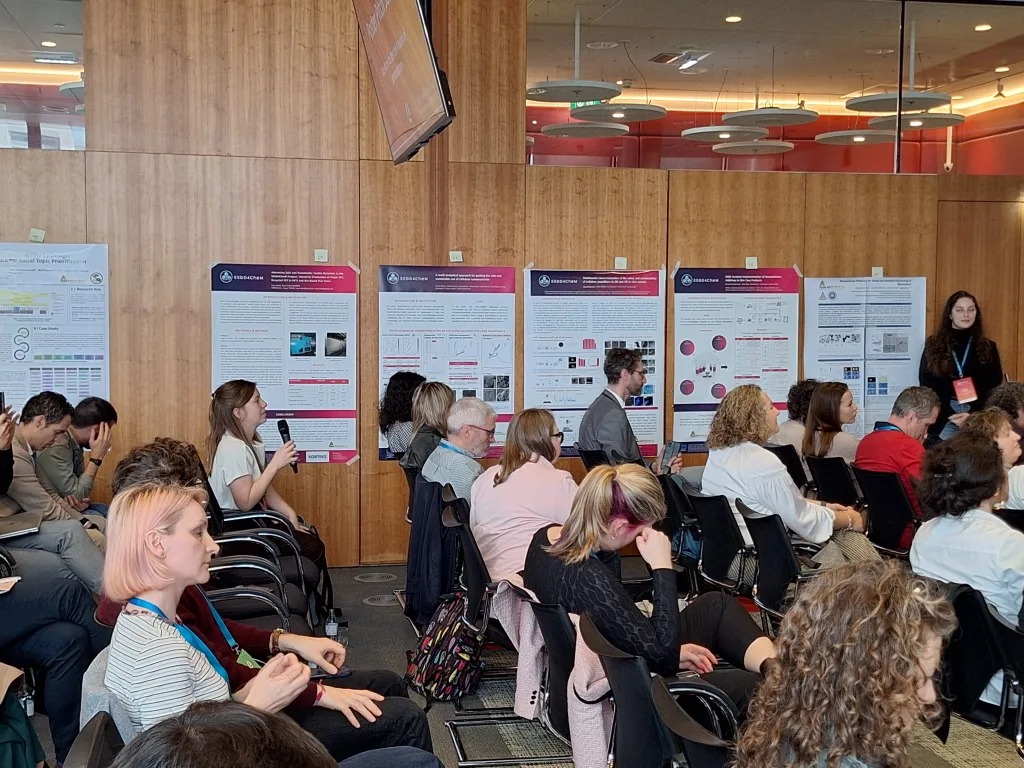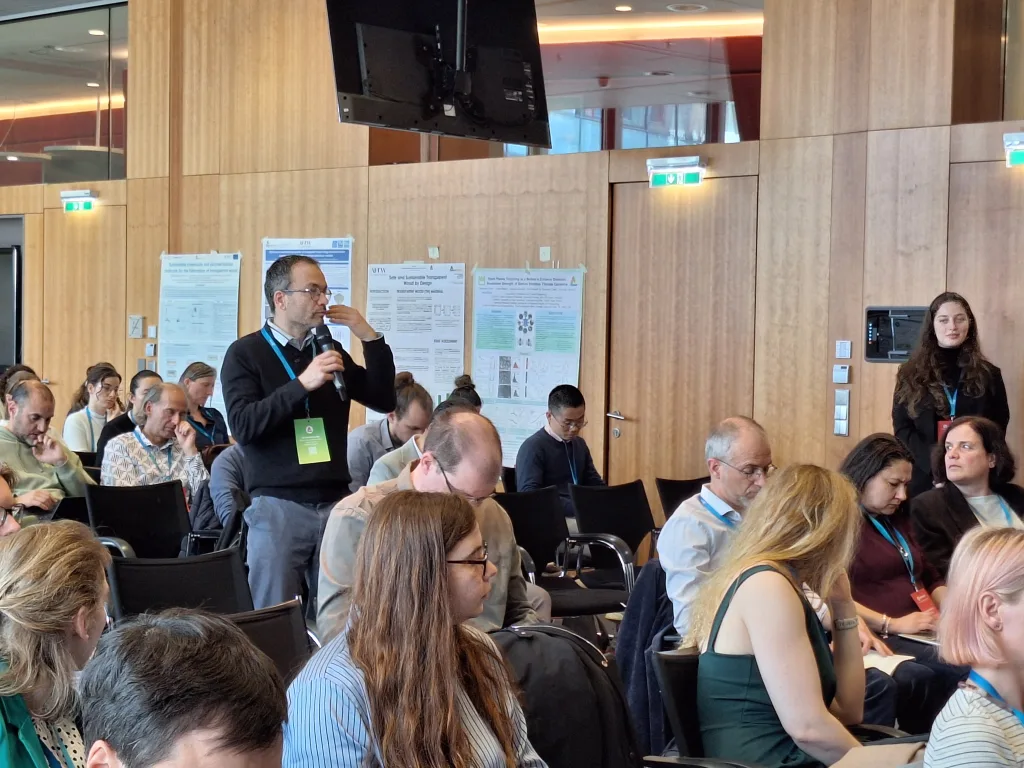
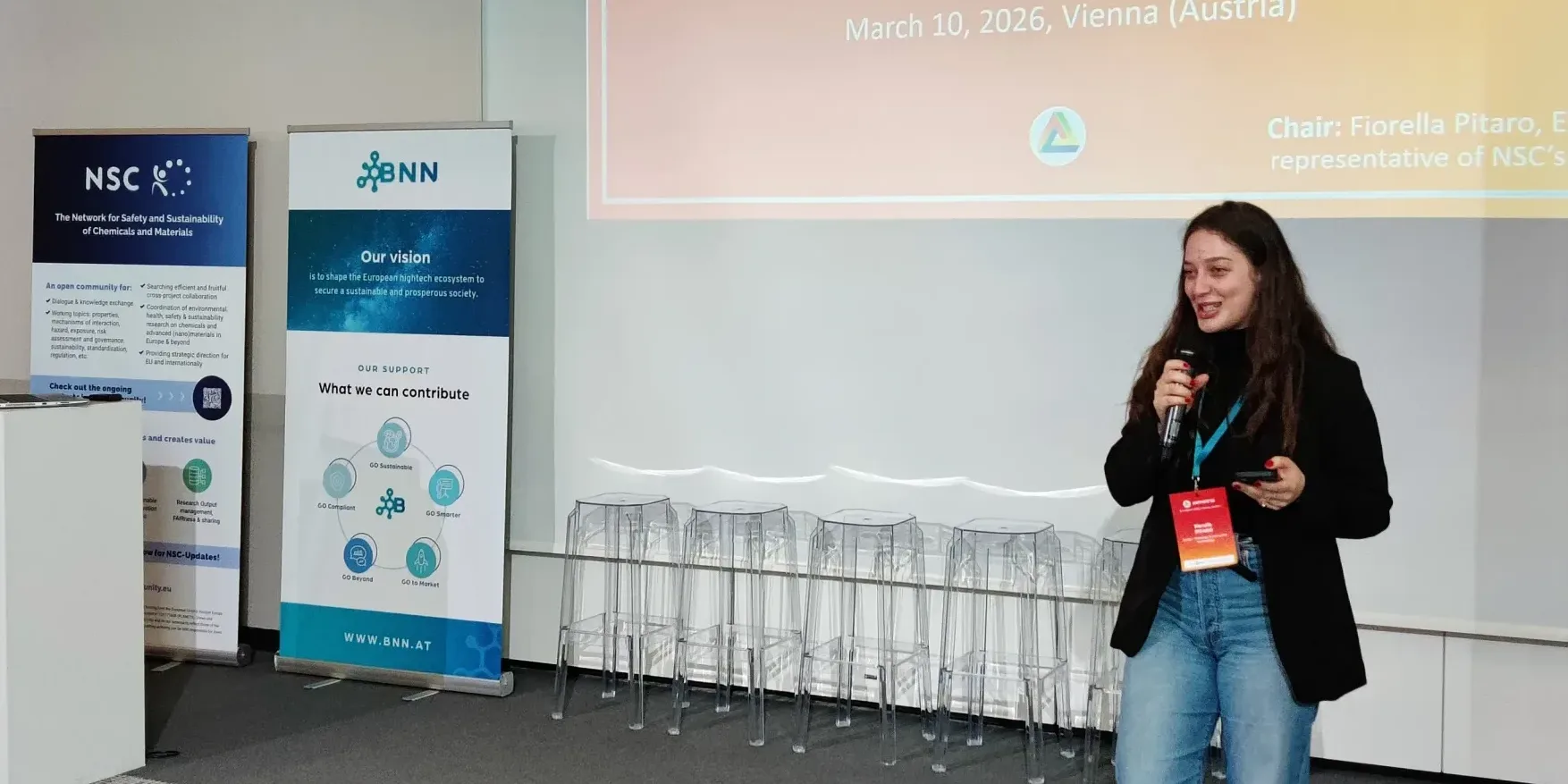
The Poster Pitch Session took place on 10th March 2026, the second day of ANTHOS’26.
It was organised and moderated by the representative of NSC’s Early Career Researchers (ECR), Fiorella Pitaro, from Empa. The session lasted approximately 90 minutes and provided an engaging and diverse overview of ongoing research activities. It was particularly encouraging that, alongside established and experienced scientists, eleven early-career researchers had the opportunity to pitch their posters.
The session served two main purposes:
- It provided early-career researchers with a visible platform to introduce themselves and their work.
- It helped attendees efficiently identify posters they might wish to explore in greater depth during the conference.
In total, the Poster Pitch Session featured 20 poster pitches, each lasting three minutes. Given the length of the session, the presentations were grouped into sets of six to seven pitches, followed by short periods for audience questions. This structure allowed for a more interactive exchange and enabled participants to address immediate questions from the audience.
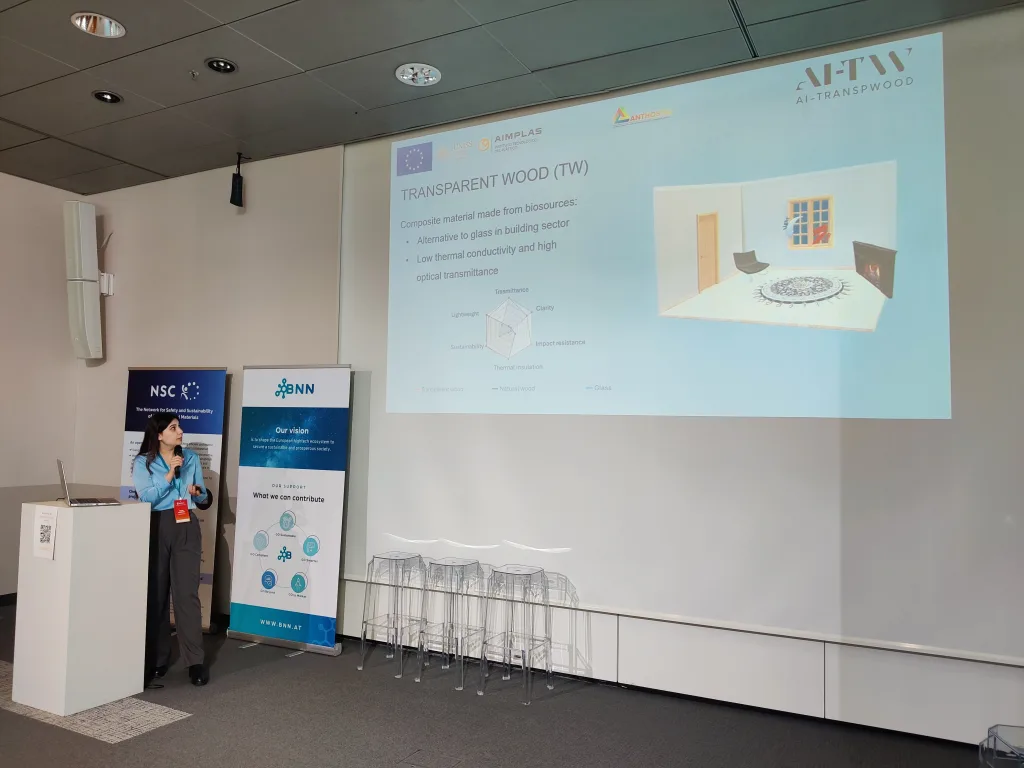
Overall, the session proved to be highly interesting due to the diversity of topics covered, offering insights into a wide range of disciplines and research projects. Some pitches focused on presenting project objectives and research approaches, such as the work conducted within the AI-TranspWood project.
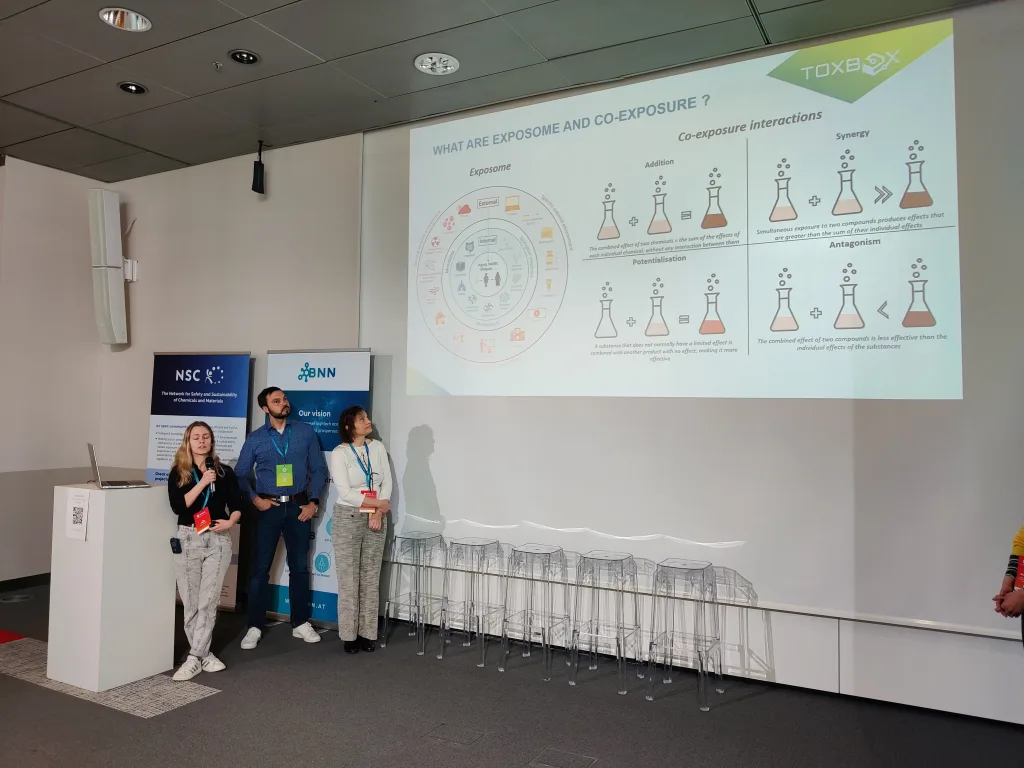
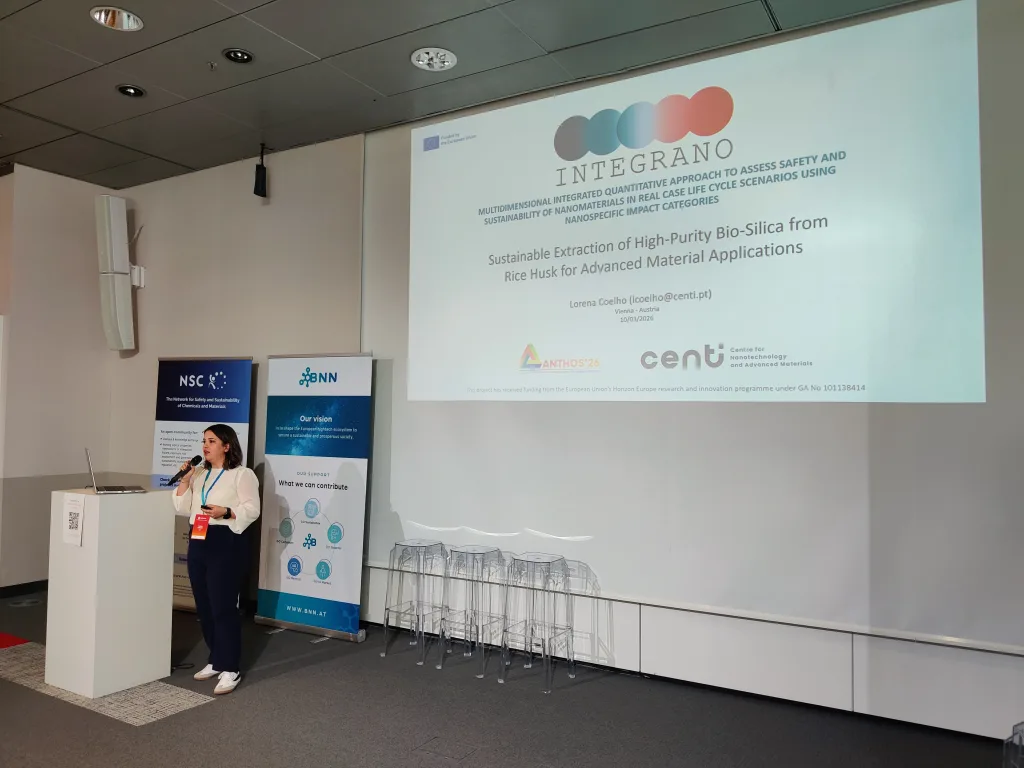
Several contributions addressed safety aspects. Presentations from the TOXBOX project introduced the toolbox developed to ensure comprehensive safety testing of materials and presented results from the HaCaT cell study. Another pitch within the INTEGRANO project presented an integrated testing strategy for the hazard assessment of advanced nanomaterials.
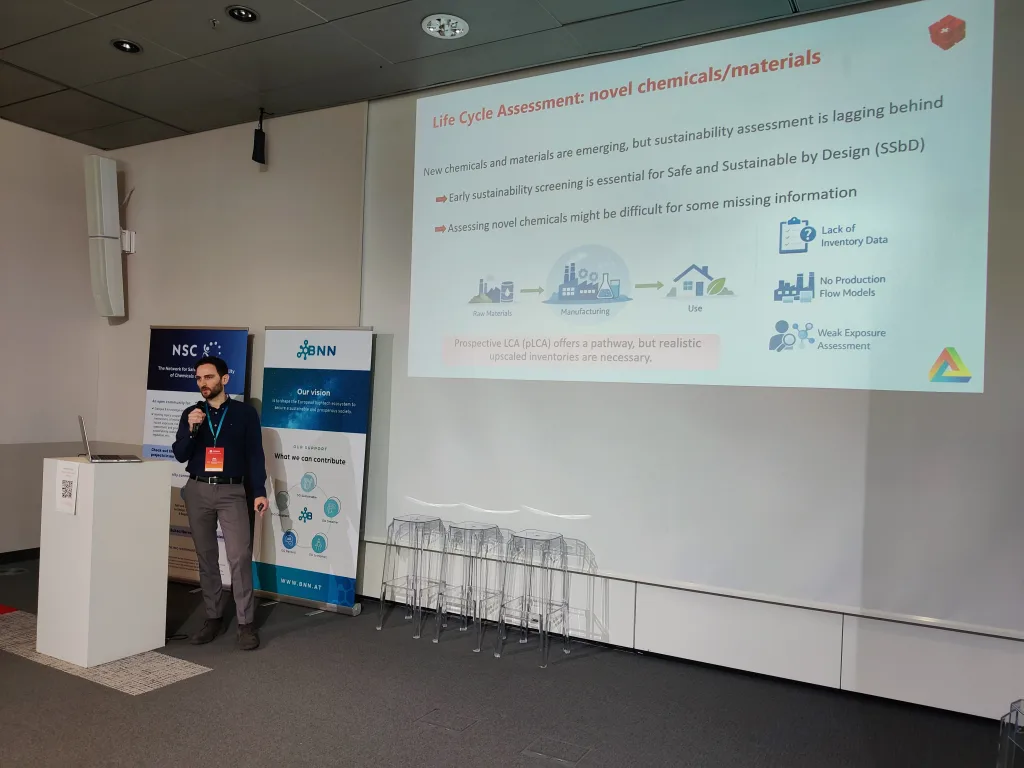
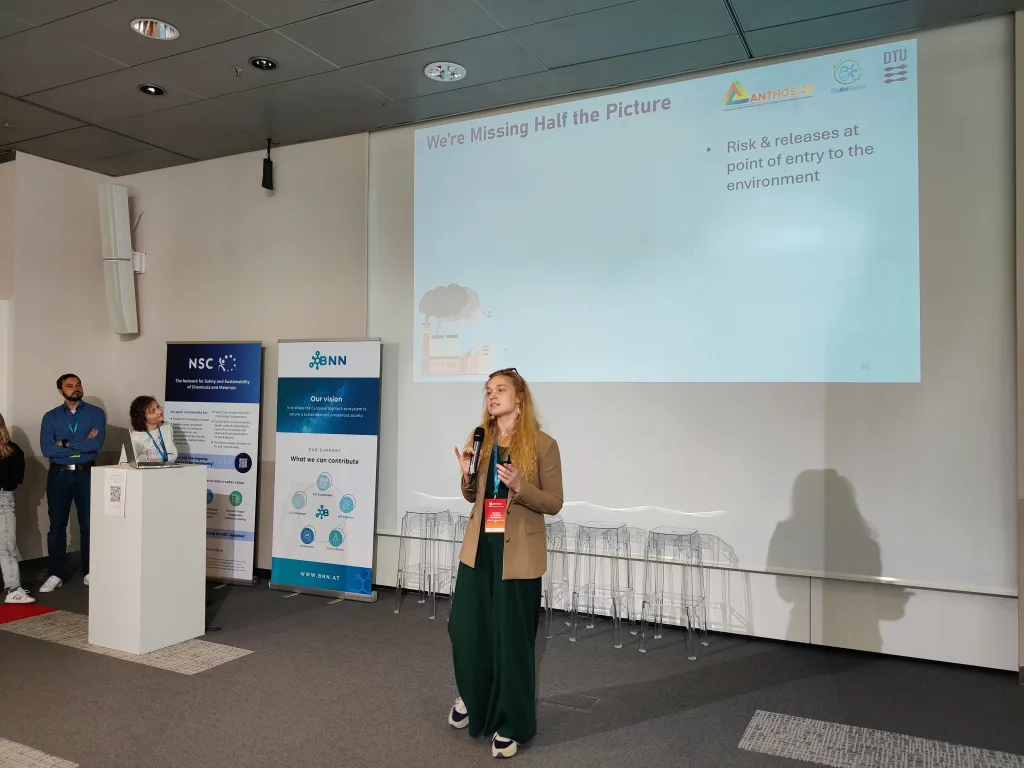
Other presentations focused on sustainability. Within the CheMatSustain project, one poster pitch analyzed the maturity of Life Cycle Assessment (LCA) and Safe-and-Sustainable-by-Design (SSbD) frameworks based on a systematic literature review and discussed how these frameworks influence innovation in chemicals and nanomaterials. Another presentation aimed to identify methodologies for quantifying environmental pressures arising from nanomaterial production and release in order to evaluate the sustainability of new nanomaterials. A further pitch within the INTEGRANO project compared the sustainability of biobased silica produced through three different extraction routes. In addition, a structured approach for translating laboratory-scale processes to industrial scale for prospective LCA of novel chemicals and materials was presented.
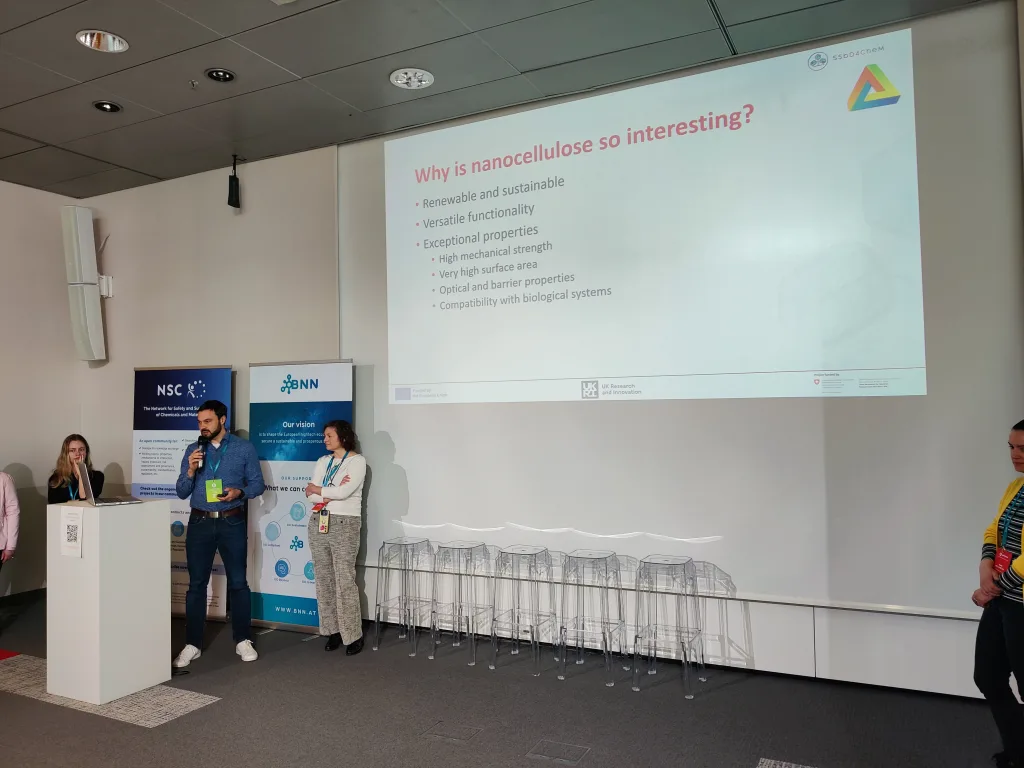
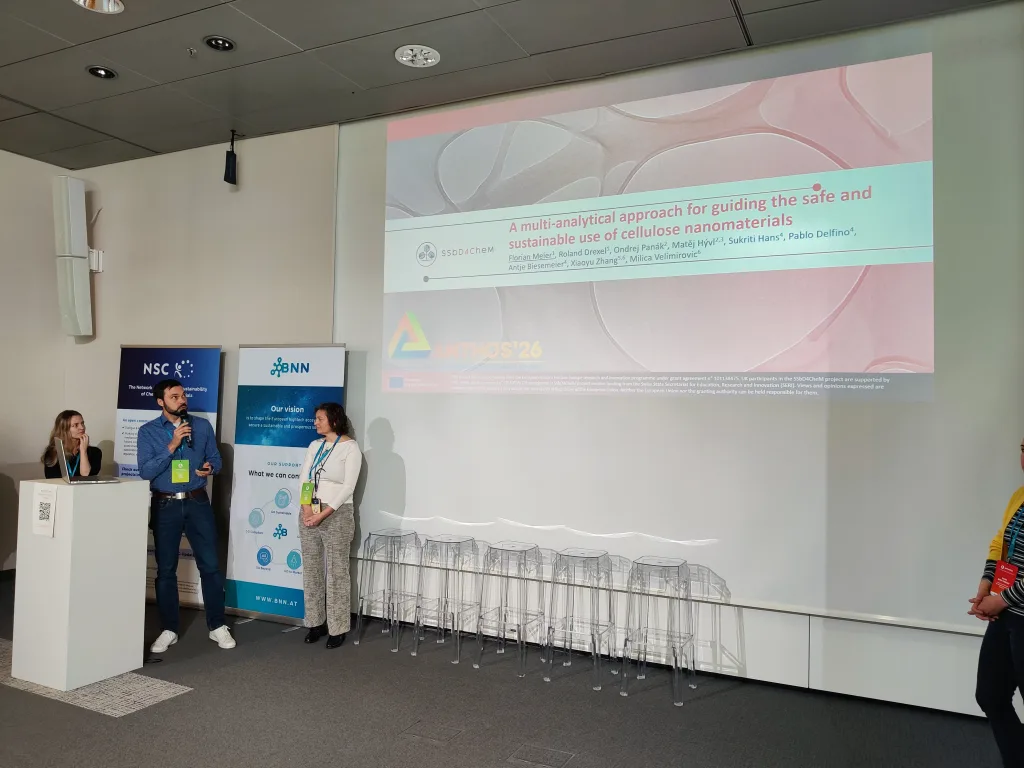
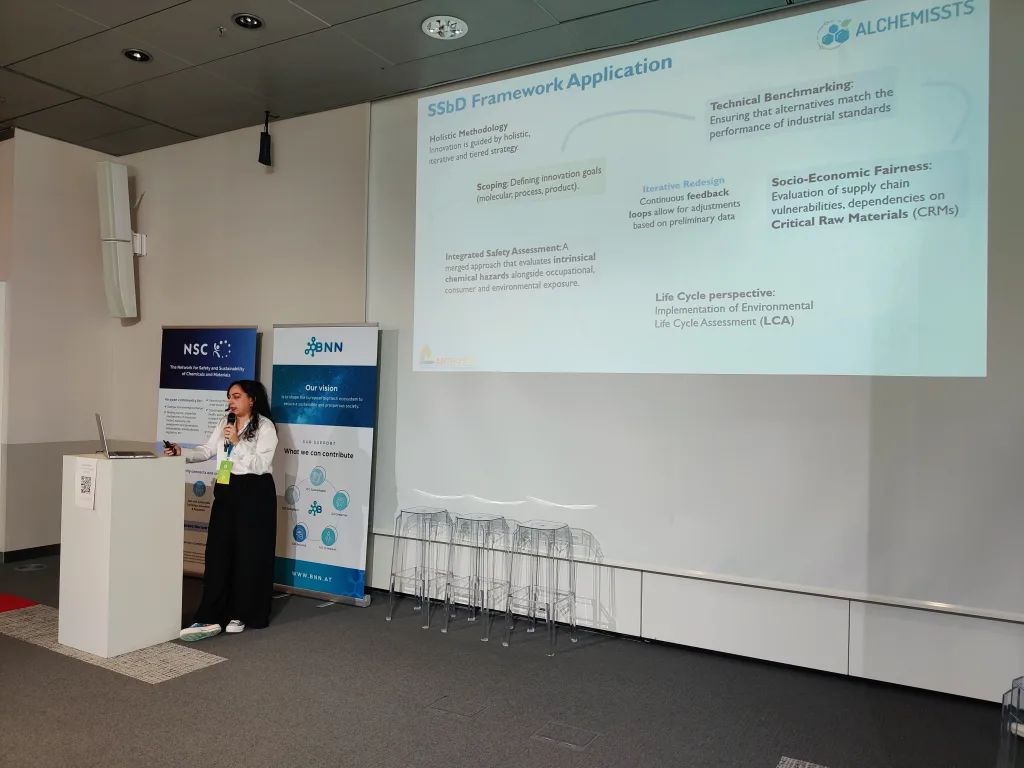
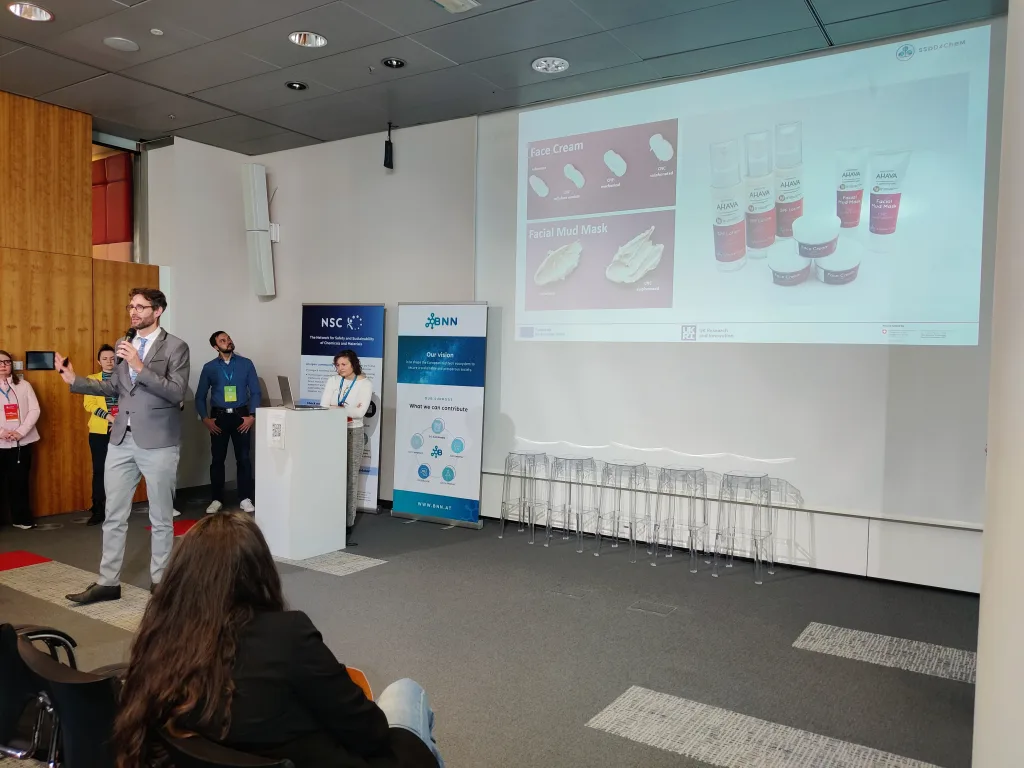
Additional topics included two pitches from the SSbD4CheM project. One focused on nanocellulose fibres and their safety testing, while the other introduced cosmetic product prototypes based on nanocellulose fibres. Another presentation from the ELEGANCE project demonstrated the development of new printed electronics within the context of SSbD and highlighted the challenges associated with designing materials at very early stages when the final application was not yet clearly defined. Within the AlChemiSSts project, the developed approach for applying the SSbD framework was presented, including insights from three of the project’s seven case studies.
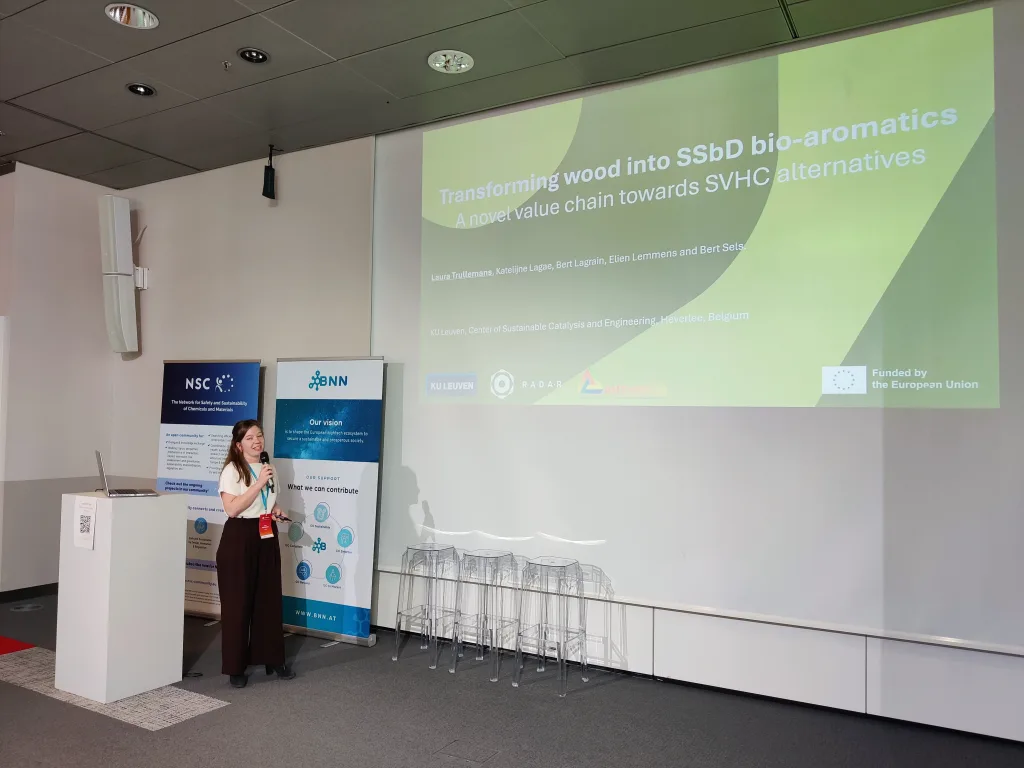
Several pitches focused on the technical aspects of their research. These included the development of nanoparticle-based biosensing platforms for rapid and sensitive detection of disease biomarkers; approaches for fabricating transparent wood using sustainable chemicals and polymerization methods, combined with simulation models to evaluate optical and mechanical properties; the development of new value chains for safe and sustainable bio-aromatics from wood within the RADAR project; and the creation of functionalized additives based on lignins and tannins in the BIOSAFIRE project.
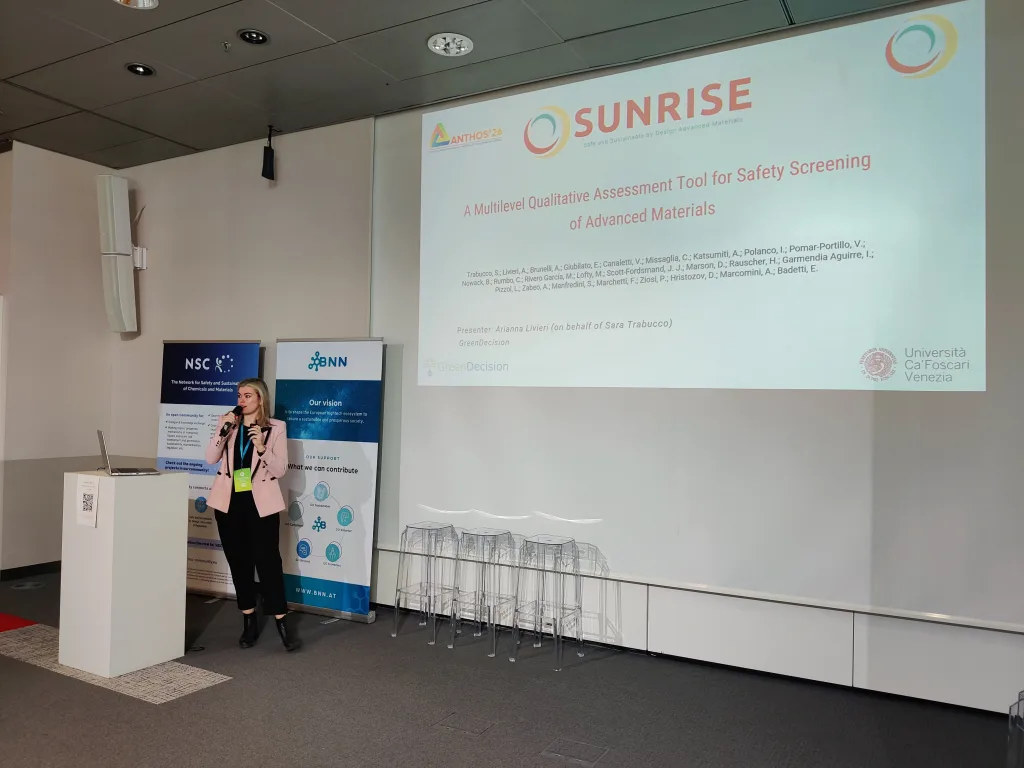
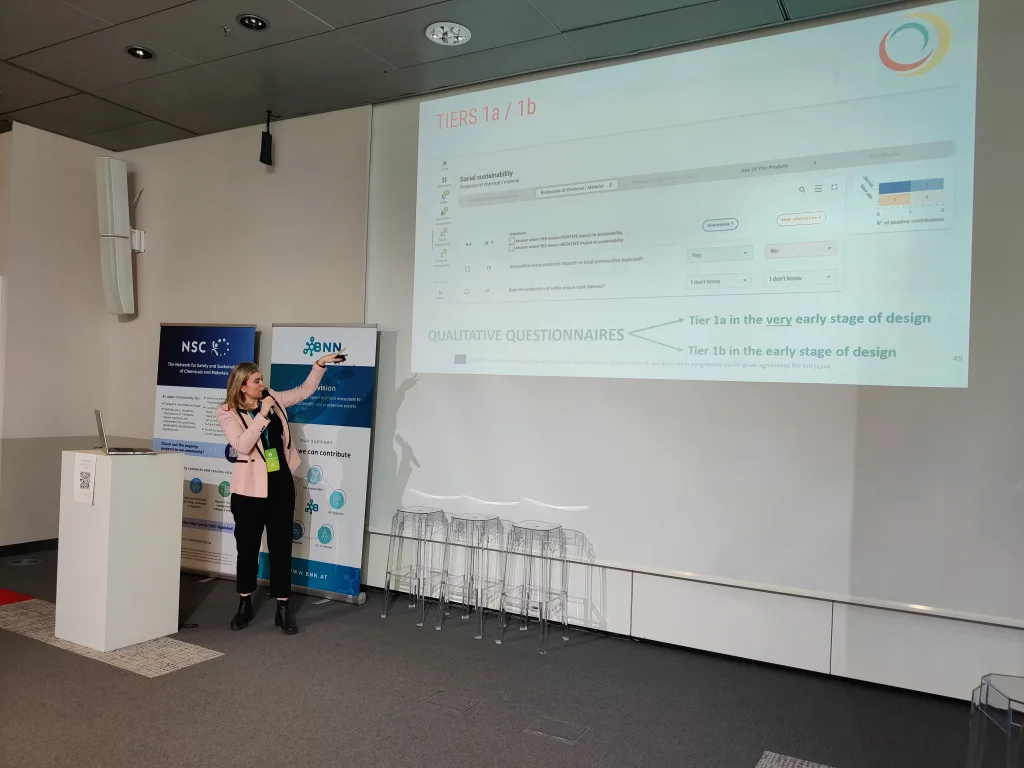
Finally, four presentations introduced tools developed within the SUNRISE project. These included the Integrated Impact Assessment Approach (IIAA), the Qualitative Assessment Tool for Safety Screening of Advanced Materials, the project’s e-infrastructure website designed to support practical industrial workflows, and a data gap matrix intended to facilitate the rapid identification of critical data gaps.
Overall, the Poster Pitch Session provided a comprehensive overview of current research and innovation in the field and highlighted the breadth of approaches being developed to advance safe and sustainable materials.
Some insights from the session: